
 Whatsapp
 Buy Gift Card


 Spanish | Espana
 German | Deutch
 Chinese | 中文(简体)
 Japanese | 日本語


Table of Contents
To organize a corporate trip effectively, you must understand what travelers need to move smoothly and confidently. When itineraries are clear, schedules are shared, and travel details are structured, the entire journey becomes easier for employees.
A well-organized trip reduces unnecessary stress, saves time, and boosts productivity. Companies gain predictable travel outcomes, and employees experience a sense of control and stability throughout their journey. As business travel grows, airports continue improving facilities to support travelers with lounges, private workspaces, and reliable transportation options.
Quick Summary
Keeping travelers informed and supported is a key factor in structuring a corporate trip. Having an itinerary, structured travel details, and scheduled transit aids traffic flow. Business travelers value direction and structure. This travel guide assists coordinators in corporate travel organizations. Practical methods that apply to all company sizes are listed.
A Closer Look at Today’s Corporate Travel Expectations
The goal of corporate travel planning is to allow employees to focus on business matters rather than worry about travel logistics. Corporate travelers engage in activities such as attending conferences, managing site visits, orchestrating workshops, and negotiating contracts. Therefore, corporate travel is designed to allow a seamless travel experience.
A corporate travel plan streamlines travel so employees stay on schedule and have what they need to be productive. Travel coordination becomes a business function as corporate travel increases. This change in travel planning volume underscores the need for solid business travel coordination.
More corporate travelers are realizing the ease of structured travel compared to the hassle some airports are known for. Corporate travel schedulers and planners need to understand and incorporate the latest travel technology to meet expectations. According to the Global IATA Passenger Survey, most corporate travelers want more technology and assistance to avoid prolonged stops in terminals. Travel technology is essential to planning because schedules are tighter and traffic is increasing.
Common Challenges in Corporate Trip Planning
- Last-minute itinerary changes
- Travelers are stressed from long airport processes
- Budget limitations
- Coordinating multi-stop trips
- Visa and documentation delays
- Poor communication between departments
- Lack of travel policy clarity
11 Steps to Plan a Corporate Trip Without the Headache
Step 1: Understanding the Purpose Behind the Trip
One of the most important things to do before planning a trip is to define its purpose; only then can you begin structuring it. Different types of trips, such as client meetings, conferences, and site inspections, require different approaches. A clear purpose eliminates confusion, saves time, and helps set a budget, choose a hotel, determine airport services, and set a timeline. A clear objective leads to a smoother process for everyone involved.
Considering Traveler Needs
The needs of the travelers must also be considered when planning the itinerary. Some travelers need to arrive early to prepare for meetings or need access to lounges for sensitive calls. Others may need assistance with line bypass and immigration. This level of personalization eliminates mistakes and leads to a higher level of satisfaction. Aligning traveler needs with the objectives of the trip is crucial for success.
Step 2: Structuring a Trip Plan That Feels Supportive
Documenting trip plans methodically saves confusion and gathers all relevant information that helps calm travelers. To increase predictability and avoid conflicts, all flights, hotels, meetings, and services should be documented along with emergency contacts. This allows instant access to information for everyone. Managers gain visibility into trip progress and can identify problem areas in advance. This becomes the foundation on which the trip is built.
Creating Realistic Timing
Trip calendars should avoid overly tight timelines, as unexpected problems can arise. To maximize efficiency and avoid scheduling conflicts, there should be buffer time between meetings and flights. To protect the schedule, services that streamline the tedious parts of airport movement are needed. These reduce waiting times and ensure smooth transitions where travelers need rest and support.
Step 3: Picking Flights and Airports That Support Productivity
The type of flights you choose can make or break the productivity of the trip. Direct flights help travelers arrive ready to start work. Airline punctuality is also important for a stable schedule. When planning a corporate trip, choose airports that are business-friendly. A well-equipped airport makes the travel experience seamless and reduces fatigue.
- Choose flights that match meeting times and avoid red-eye flights unless necessary.
- Prioritize airlines with strong on-time performance.
- Use corporate loyalty programs to reduce long-term travel costs.
Checking Airport Facilities
You should also check available airport facilities before booking. Some airports have fast-track security lines that save a lot of time. Airport concierge services help travelers move smoothly through terminals. These features tailor the travel experience for each traveler.
Step 4: How to Book the Right Hotel
Choosing the right hotel is a critical part of corporate travel planning.
Hotels Should Offer
- Reliable wifi and meeting spaces
- Proximity to meeting venues or conference halls
- Early check-in and flexible cancellation
- Corporate rates
- Quiet rooms for rest and preparation
Step 5: Planning Ground Transport for a Stress-Free Start
The type of ground transportation available determines the overall experience of the business trip. Most corporate travelers prefer chauffeured transportation because it is reliable and organized, and airssist provides these arrangements to help ensure a smoother travel experience. A professional driver routes to meet business expectations and ensures travelers are not stressed.
Value of Early Transfers
Scheduling transfers in advance removes the possibility of queues and eliminates last-minute planning. Knowing a driver is waiting at arrivals is something travelers appreciate the most. This service creates peace of mind and stability, and helps travelers manage their time. Clear pickup instructions remove confusion and make the start of the journey comfortable.
Step 6: Enhancing the Journey with Airport Concierge and Meet and Greet
Airport Concierge options provide walkthrough assistance for every phase of the airport journey. Meet-and-Greet teams assist with check-in, baggage, security, and immigration. This is helpful for travelers who want a controlled and user-friendly experience, and it supports executives who travel often and need dependable assistance.
Benefits of Meet and Greet
Meet and Greet simplifies the travel experience in large airports. It is ideal for travelers with busy schedules, long stopovers, or international arrivals. The feeling of having someone guide the journey increases comfort and allows travelers to take calls or handle meetings. Private Lounges and Airport Lounges improve efficiency by offering quiet spaces for rest and preparation. These services complement each other to make travel days smoother.
Step 7: Keeping Travel Documents Organized for Peace of Mind
Properly organizing travel documents saves travelers from unnecessary delays at security checkpoints. Every international traveler requires a passport, visas, hotel reservations, and flight confirmations. Cloud storage is useful for keeping organized digital copies that can be accessed anytime. Organized documents boost confidence before and during the journey.
Compliance and Storage
Company policies and data retention rules guide how travel documents are stored and distributed. When documents are organized effectively, compliance follows naturally. A cohesive travel management system balances ease of access with necessary security to ensure a successful and compliant trip.
Step 8: Use Corporate Travel Management Software
Corporate travel management tools help coordinators track flights, monitor budgets, manage approvals, and maintain traveler safety.
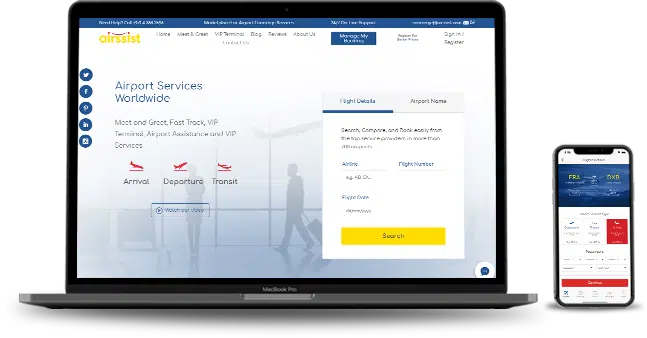
You can rely on tools such as:
These tools centralize travel plans and reduce manual errors.
Step 9: Preparing for the Unexpected with Flexibility
Travel delays and cancellations can happen at any moment. Unexpected itinerary changes may occur due to weather, reroutes, or meeting updates. Having adaptable backup plans helps travelers handle stress and remain productive. Anticipating changes allows coordinators to support travelers and avoid last-minute issues.
Creating a Contingency Plan
A simple contingency plan supports the team during disruptions. Keeping airline contacts, hotel numbers, and transportation details helps ensure a fast response during urgent situations. Backup travel routes reduce stress during long delays. These preparations maintain travel quality and efficiency.
Step 10: Budgeting and Cost Control
Budgeting ensures that travel stays cost-effective and predictable. Coordinators should:
- Set per-diem guidelines
- Track expenses through apps
- Compare costs across airlines
- Use corporate hotel rates
- Avoid last-minute bookings
These steps maintain financial efficiency.
Travel Insurance and Risk Protection
Travel insurance is an important part of corporate travel planning because it protects both the company and the traveler. Insurance covers unexpected issues such as medical emergencies, trip cancellations, lost luggage, and flight delays. These problems can disrupt a schedule and increase costs if not managed properly. Companies that include travel insurance in their travel policy provide an extra layer of safety and support for their employees. It also helps coordinators respond quickly to emergencies and keep the trip running smoothly.
Step 11: Prioritizing Traveler Well-Being
Employees perform better when they feel rested and supported. Well-being is important and directly impacts business outcomes. Comfort and health improve when employees have smooth airport guidance, lounge access, and comfortable seating. Healthy and comfortable employees communicate better and think more clearly.
Supporting Mental Wellbeing
Mental well-being improves with lounge access. With wifi, quiet settings, food, and refreshments, travelers manage long trips more effectively. For people with busy schedules, lounge access makes a meaningful difference in their overall experience.
Common Questions About How to Organize a Corporate Trip
What are the 4 C’s of Corporate Travel Management?
The 4 C’s stand for Cost Control, Convenience, Compliance, and Care. These create effective travel policies to improve safety and efficiency.
How to organize a trip efficiently?
Determine your destination, make an itinerary, book travel and accommodation, and use terminal assistance if needed. Organized documents strengthen the travel process and simplify movement.
How to pack for a 7-day business trip?
Pick clothing that is interchangeable and good for layering. Bring one complete outfit along with a couple of shirts and comfortable shoes. Keep electronics in a small pouch. Packing lightly makes travel easier.
What are the 5 stages of travel planning?
The process usually includes researching, booking, preparing, traveling, and reviewing. Following these steps helps create a comprehensive travel plan.
This is Literally the Key to Making Every Trip Seamless
According to the International Air Transport Association (IATA), global air passenger demand (measured by revenue passenger-kilometres, RPK) rose 36.9% year-on-year in 2023, highlighting how quickly travel demand is accelerating worldwide.
It is easy to plan a business trip when you have organizational skills and a clear outline. A successful business relies on having structured systems and the right support. Inefficient travel management wastes time and reduces focus.
Communication keeps the team aligned. Organized documents speed up the journey. When these elements work together, travel becomes streamlined and productive. The right plan supports both the traveler and the business.
If you’d like to dive even further into planning smarter corporate trips, you can check out the complete corporate travel management guide.
Sources
- IATA – Air Passenger Market Analysis December 2023
https://www.iata.org/en/iata-repository/publications/economic-reports/air-passenger-market-analysis-december-2023/ - IATA – Speed and Convenience Top Priority for Passengers (2023 GPS)
https://www.iata.org/en/pressroom/2023-releases/2023-10-25-01/ - Forbes – Planning International Business Travel: Six Tips For A Successful Trip https://www.forbes.com/councils/forbesbusinesscouncil/2025/08/19/planning-international-business-travel-six-tips-for-a-successful-trip/
Note: Please note that the information on this page is generic & subject to change due to fluctuations in airport services. Kindly confirm service availability with our team, as offerings may vary daily.






 Dubai, United Arab Emirates


