
 Whatsapp
 Buy Gift Card


 Spanish | Espana
 German | Deutch
 Chinese | 中文(简体)
 Japanese | 日本語


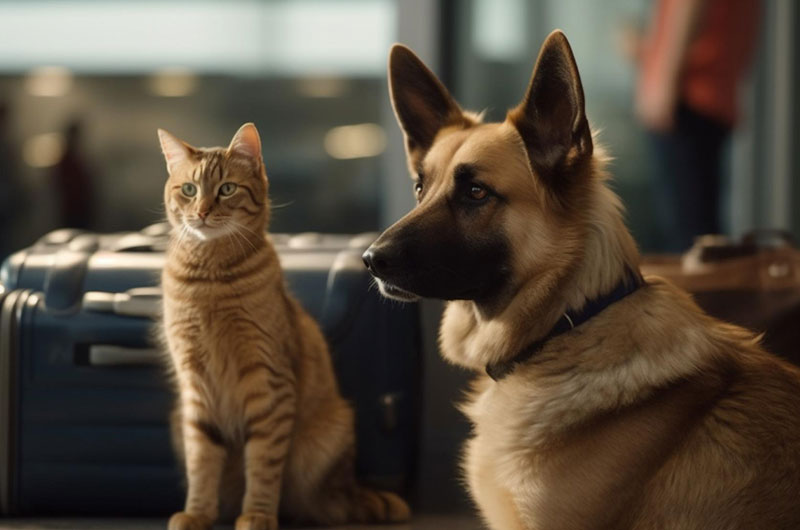
Table of Contents
You have booked your trip. Your bags are almost packed. But your dog is giving you those eyes again, and you know exactly what they mean: “Please don’t leave me behind.” If you have ever felt the guilt of leaving your pet at home because flying with them on a commercial airline felt like too much of a hassle, you are not alone. And honestly, it does not have to be that way.
Traveling with pets on commercial flights can be stressful, logistically messy, and sometimes genuinely risky. But when you arrange a private jet charter, the whole experience changes. Your cat and dog sit beside you. You set the schedule. You arrive on your terms.
Here’s everything you need to know about arranging a private jet charter with pets, including key regulations, practical tips, and mistakes to avoid for a stress-free journey.
What You Will Learn in This Guide
- Why private jet charter is a smarter choice for pet travel
- How to understand pet travel regulations before you book
- A step-by-step process to arrange private jet charter with your pet
- Practical dos and don’ts every pet owner should follow
Why Is Private Jet Charter Actually Better for Your Pet?
Most people assume flying with pets on commercial airlines is fine. And for short, simple domestic trips with a small dog or cat that fits under the seat, it can work. But for longer journeys, international routes, senior animals, or anxious pets, the commercial airline experience creates real problems.
In 2011, there were 35 pet deaths, 9 injuries, and 2 losses. In 2012, deaths reached 29, with 26 injuries DOT Feb 2013 Report.
Airline Performance: Between 2010 and 2012, Delta Air Lines accounted for 41 of the 97 reported animal deaths. While Delta carries a high volume of pets, these numbers sparked a shift in how owners view commercial cargo safety Politifact Analysis.
When you arrange a private jet charter with pets, here is what actually changes:
- No cargo hold. Your pet stays in the cabin with you. This alone eliminates one of the biggest risks of commercial pet travel.
- No breed restrictions. Many commercial airlines ban brachycephalic breeds like French Bulldogs or Persian cats. Private jets have no such blanket rules.
- Flexible schedules. You choose the departure time. No 4 AM connections. No layovers that extend a 3-hour trip into an 8-hour ordeal for your pet.
- Quieter environment. Private terminals are calm. No crowds, no airport noise that spikes anxiety in nervous animals.
- You are in control. You can bring your pet’s bed, their favorite toy, and the food they actually eat. Nothing is restricted by overhead bin space.
This is especially valuable for senior pets, rescue animals who already have anxiety, or any pet that has had a difficult experience with travel before.
Research from TGM’s 2023 Global Pet Care Survey shows that 59% of respondents view their pets as full family members, driving a significant shift toward pet-friendly services and private options.
For executives and frequent travelers, corporate travel management is already built around flexibility and control. Adding a pet to a private jet simply fits that framework. It does not require a workaround.
What Do You Actually Need to Know About Pet Travel Regulations?
Here is where most people make their first mistake: they assume that because they are on a private jet, the rules are looser. They are not. The regulations that apply to your pet are determined by the destination country or state, not by your aircraft type.
According to the International Air Transport Association (IATA), there is no single global standard for pet travel, and requirements differ based on airline policies, destination regulations, and animal type.
Documents You Will Almost Always Need
- Vaccination records: Rabies vaccination is required for entry into most countries. The vaccine must often be administered at least 30 days before travel.
- Health certificate: Issued by a licensed veterinarian, usually within 10 days of your travel date. This confirms your pet is fit to fly.
- Pet passport: Required for travel within the EU and several other regions. It consolidates vaccination history and microchip information in one document.
- Microchip documentation: Many countries, including the UK, Australia, and EU member states, require pets to be microchipped before entry.
Country-Specific Rules You Should Check Early
- Australia and New Zealand: Among the strictest in the world. Mandatory quarantine periods apply even for pets arriving on private jets. Start the process at least 6 months in advance.
- United Kingdom: Post-Brexit rules require pets to enter through specific approved routes. Check the UK government’s official pet travel scheme before booking.
- United States (domestic): Interstate travel rules vary. Hawaii has its own quarantine requirements that apply regardless of how you fly.
- Middle East: Several countries have restrictions on specific breeds, particularly certain dog breeds. Always verify with your charter operator.
The key lesson here is simple: do not leave paperwork until the week before. Start the documentation process the moment you decide to travel. For international routes, especially, the vet appointments, government endorsements, and import permits can take weeks to arrange. If you are traveling to top business travel destinations internationally with your pet, build the paperwork timeline into your trip planning from day one.
How to Secure Private Jet Charter with Pets Step by Step?
Once you have confirmed your destination’s requirements and started on the documentation, here is how the actual booking process works when you want to arrange a private jet charter with your pet.
Step 1: Choose a Charter Operator That Explicitly Allows Pets
Not every private jet operator has the same pet policy. Some allow pets only in carriers. Some have weight limits. Some charge an additional cleaning fee. Before you get deep into comparing aircraft or pricing, confirm that the operator you are considering has a clear, written pet policy that matches your specific situation.
Ask specifically: Can my pet travel out of a carrier? Is there a size or weight limit? Are there any breed restrictions? What is the cleaning fee, if any?
Step 2: Select the Right Aircraft
Aircraft size matters when traveling with pets. Light jets work well for small dogs on short flights, while midsize or super-midsize jets offer more comfort for larger pets or longer journeys. For very long-haul routes, a large cabin jet is often the best choice.
For example, on a route like Dubai to London, a medium-sized dog can comfortably travel in a midsize private jet, staying in the cabin with the owner instead of facing cargo stress or airline restrictions.
Step 3: Communicate Your Pet’s Details Upfront
When you book, share your pet’s breed, weight, and any relevant health information with the operator. If your pet takes medication, mention that. If they have anxiety, mention that too. A good charter team will note these details and can sometimes accommodate requests for specific cabin temperature ranges during flight.
Step 4: Prepare Your Pet for the Journey
Even on a private jet, flying can be disorienting for animals. Talk to your vet before the trip. Some pets benefit from mild sedation; others do better with calming supplements or familiar comfort items. Bring their regular food, water, a familiar blanket, and their favorite toy.
If your pet struggles with motion sickness, ask your vet specifically about this. It is more common than most pet owners realize, and there are effective options that will not knock your pet out for the whole flight.
Step 5: Plan the Ground Experience Too
Private terminals already reduce most of the stress, but traveling with a pet still means handling luggage and transport.
Instead of managing it all yourself, established airport concierge provider such as airssist can:
- Arrange chauffeured transfers from the aircraft
- Coordinate directly with private terminal staff
- Handle small logistics so you can focus on your pet
On long flights, also plan for jet lag recovery for both you and your pet.
On long flights, it is also worth planning for jet lag recovery after arrival, both for yourself and your pet.
See how to beat jet lag in airports for practical strategies that apply whether or not you have a furry co-passenger.
Dos and Don’ts Every Pet Owner Should Know Before the Flight
Do This
- Book early. Popular routes and aircraft types fill up quickly, especially during peak travel seasons. If you know you are traveling with a pet, lock in your booking as early as possible.
- Visit the vet before any trip. This is non-negotiable for international travel, but it is good practice even for domestic flights. A pre-travel health check catches any issues before they become in-flight emergencies.
- Confirm destination entry rules directly. Do not rely solely on your charter operator for this. Check the official government website of your destination country.
- Bring more supplies than you think you need. Extra food, extra water, an extra set of pee pads if your dog uses them. Delays happen even on private jets.
- Let your pet explore the aircraft briefly before takeoff. If the operator permits it, a few minutes of sniffing around the cabin before the engines start can significantly reduce anxiety during flight.
- Keep your pet’s routine as normal as possible. Same feeding times, same bedtime if the flight allows, familiar commands. Routine is calming for animals in unfamiliar environments.
Do Not Do This
- Do not sedate your pet without veterinary guidance. Some sedatives that seem safe on the ground behave differently at altitude and can cause dangerous drops in blood pressure. Always consult your vet first.
- Do not skip the microchip check. Even if your pet was microchipped years ago, verify that the chip is still functioning and that the registration details are current. Some countries will refuse entry if the chip cannot be read on arrival.
- Do not assume the charter operator handles all customs paperwork. They handle the flight. The pet import documentation is your responsibility unless you have specifically contracted a service to manage it.
- Do not feed your pet a large meal right before the flight. A light meal 3 to 4 hours before departure is better. Full stomachs and air travel are not a good combination for most animals.
- Do not ignore signs of distress during the flight. Excessive panting, drooling, trembling, or attempts to hide are signs your pet is struggling. Address them calmly and directly.
- Do not forget to research sustainable travel options. If you fly often, understanding sustainable travel practices can help you offset the environmental impact of your trips, including those with pets.
Because They Deserve a Safe Seat Beside You
When you arrange a private jet charter with pets, you are not just choosing comfort. You are choosing safety, flexibility, and a genuine reduction in stress for an animal that trusts you completely. The benefits over commercial flying are real and measurable, from eliminating cargo hold risk to flying on a schedule that actually works for your pet’s routine.
The preparation matters. Get the veterinary paperwork done early. Understand the regulations for your specific destination. Choose an aircraft that fits your pet’s size and temperament. And plan the ground experience, not just the flight itself.
So now you are confident in your decision to arrange a private jet charter with pets instead of dealing with the limitations of commercial airlines.
Frequently Asked Questions
Can I book a private jet for pets at the last minute?
Yes, but availability may be limited. Booking in advance gives you more aircraft options and better scheduling flexibility for your pet’s comfort.
Do pets need special approval to fly on a private jet?
Usually, no special “flight approval” is needed from the operator, but your pet must still meet health and entry requirements for the destination country.
Are pets allowed to move freely inside a private jet cabin?
In most cases, yes. Unlike commercial flights, pets can usually stay uncrated and sit with you, depending on the operator’s safety guidelines.
What size of private jet is best for traveling with a pet?
It depends on your pet’s size and flight duration. Smaller pets can travel comfortably in light jets, while larger dogs do better in spacious cabin jets.
Is sedation recommended for pets on private jet flights?
Not routinely. Most vets advise against sedation unless necessary, as cabin pressure and altitude can affect how animals react to medication.
How do private jets handle pet cleanliness and allergies?
Operators typically clean cabins after flights, and many allow pet-friendly setups in advance to reduce allergy concerns for future passengers.
Can I bring pet food and accessories on a private jet?
Yes, you can bring your pet’s regular food, toys, bedding, and water without strict airline restrictions, making the experience more familiar for them.
Is flying privately with pets more expensive than commercial travel?
It can be, but the cost varies widely depending on aircraft type and route. Many travelers consider it worthwhile for safety and comfort benefits.
Sources
Air Travel Consumer Report: December 2022, Full Year 2022 Numbers | US Department of Transportation
Pet death claim leaves out important details | PolitiFact
TGM Global Pet Care Survey 2023 | Consumer Behavior in Pet Care – TGM Research
https://tgmresearch.com/tgm-global-pet-care-survey.html
IATA takes steps to make in-cabin pet travel easier | October 2025
https://petabroad.eu/iata-pet-travel-initiative/
Note: Please note that the information on this page is generic & subject to change due to fluctuations in airport services. Kindly confirm service availability with our team, as offerings may vary daily.





 1701 1 Lake Plaza, Jumeirah Lakes Towers Dubai UAE


