
 Whatsapp
 Buy Gift Card


 Spanish | Espana
 German | Deutch
 Chinese | 中文(简体)
 Japanese | 日本語

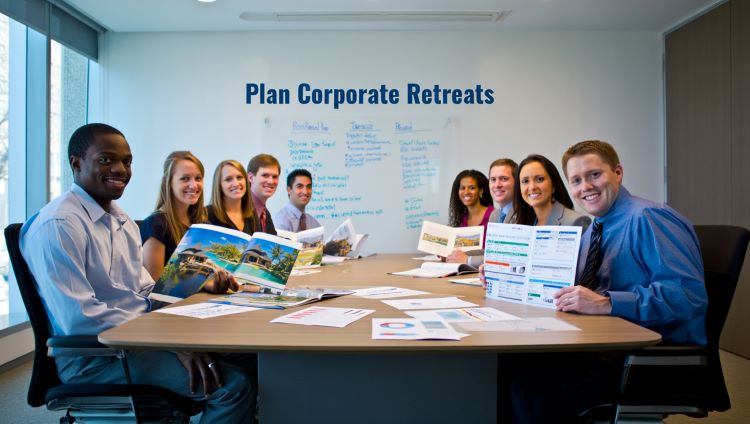
Table of Contents
Once again, the team is submerged in tight deadlines, skittering from one meeting to another, and the work keeps getting done. While the work is steady, there seems to be a lack of motivation. And then the company announces a planned retreat. Just like that, the entire office atmosphere changes. People stand a little taller, and smiles spread across everyone’s faces.
Corporate Retreats are a key part of modern workplace culture. Companies realize that teams need time away from their regular environment to reconnect and reset. A well-planned retreat strengthens relationships, problem-solving, and creativity. When employees spend time together, team morale rises naturally. This guide will explain how to plan corporate retreats that support growth and motivation.
See what’s defining the future of corporate travel. Dive into business travel trends.
Quick Summary
Corporate retreats are most effective when there is a good balance between professional goals and fun. Effective preparation, seamless logistics, and considerate communication make business travelers feel supported. When teams are made to feel appreciated, they will be more valuable to the overall goals of the organization.
Why are Company Retreats Important?
Strong Demand for Business Travel
The global corporate travel market continues to expand rapidly. According to the Global Business Travel Association (GBTA), global business travel spending is forecast to reach 1.57 trillion USD in 2025. This growth shows companies increasingly value face-to-face interactions, in-person meetings, and shared travel experiences.
Retreats Boost Team Engagement and Retention
A recent survey found that 83 percent of workers view corporate travel or retreats as a job benefit, which can positively affect wellness and employee retention. Teams that travel together or participate in offsite events report higher engagement, better connection, and stronger loyalty.
This sense of belonging can reduce turnover and foster long-term commitment.
Better Teamwork, Productivity, and Collaboration
Well-designed team-building and retreat activities have a measurable impact on performance.
- Some companies report up to a 25% improvement in team performance after structured team-building and bonding efforts.
- Engagement and cohesion lead to lowered absenteeism and fewer quality or safety incidents while boosting productivity and output.
- Spending time in natural environments for retreats that include nature, mountains, or countryside correlates with better cognitive functioning, creativity, and team cohesion.
These results show that retreats are not just “nice to have” and can be a strategic investment in team performance.
12 Helpful Steps to Make Your Next Corporate Retreat a Success
Businesses that plan and allocate resources to team-building activities have greater employee participation, along with an increase in collaboration.
Corporate retreats ought to be considered much more than travel.
1. Set Clear Objectives Before Planning the Retreat
Plans outlining the purpose of each retreat are needed. Without a well-defined purpose for an activity, participants may feel the effort to be pointless.
Consider the following questions beforehand:
- What are the learning outcomes and improvements you expect from the team?
- Is it better communication that you are seeking?
- Is the goal to address and alleviate burnout?
- Is the aim of this retreat to show appreciation towards the team?
- Is it strengthening synergistic efforts among the team’s newcomer and veteran members that you are after?
Most Common Retreat Goals to Inspire You
- Enhancing communication spanning across different teams
- Fostering innovative and creative ideas
- Enhancing and cultivating strong leadership and constructive decision-making skills
- Setting and implementing new strategies or policies
- Enhancing and promoting the well-being of the team
- Recognizing and celebrating the accomplishment of the team
The planning phase becomes considerably easier once clear objectives are provided.
2. Choosing the Right Destination Sets the Tone for Everything
The importance of this decision is paramount, for it influences the participants’ mood and engagement and either uplifts or downgrades the experience.
What a Great Retreat Location Should Offer Your Team?
- Quickly accessible for corporate travel
- Comfortable and convenient lodging
- Safe atmosphere
- Spaces for workshops and meetings
- Recreational areas for rest
- The capacity for an adequate and stable internet connection
- Relevant activities to the goals
Why Nature-Filled Destinations Bring Out the Best in Your Team?
Systematic reviews report consistent improvements in mental (98% of studies), physical (83%), and cognitive (75%) health from outdoor nature engagement.
Therefore, teams are rejuvenated by countryside, lakeside, forest, and mountain retreats.
3. Give Your Team a Smooth Start With Stress-Free Transfers
A well-organized transfer positively influences how employees view the trips. On the other hand, if employees experience difficulties at the airport, the negative attitude will carry over to the team-building activities.
Support Your Employees From the Moment They Arrive at the Airport
Professional assistance at check-in, customs, and airport navigation greatly diminishes stress levels. This sets a positive tone for the rest of the journey.
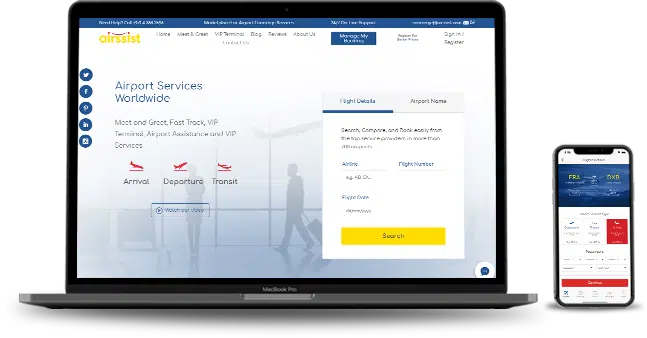
Services such as airssist Meet and Greet help evenly distribute team members arriving at the same time to prevent congestion in the terminal. They provide fast-track services, assistance assistance, and baggage help.
Tip for Smoother Transportation
Make transportation plans early, so your team moves easily between the airport, hotel, and retreat venue. Coordinating group pickups or shared rides keeps everyone together and reduces confusion. airssist can help by guiding travelers toward their arranged transportation and supporting plans that include options like chauffeured limo services, airport transfers, or in-city transfers for corporate groups. This helps the team settle in quickly and keeps the first day running smoothly.
A positive travel experience gives a good first impression and sets the tone for the entire retreat.
4. Create a Retreat Schedule That Feels Meaningful and Enjoyable
A retreat should be well planned, but also not feel like work. Achieving the right harmony among activities is key to balance.
Here’s What a Balanced, Thoughtful Schedule Looks Like
- Interactive workshops
- Engaging discussions
- Enjoyable team activities
- Personal and quiet time
- Socializing
- Outdoor and wellness activities
- Informal networking
5. Pick Activities That Help People Truly Connect
It is a must that Corporate retreats give all employees a chance to connect over seamless bonding opportunities.
Activities That Bring Out the Best in Your Team
- Team building strategy games
- Low-pressure outdoor pursuits
- Local cultural appreciation
- Culinary or therapeutic art workshops
- Mindfulness or relaxing activities
- Story sharing or light-hearted argumentative activity
Every team has a unique culture. A blend of non-traditional, artistic, movement, and contemplative activities creates an inviting atmosphere for all to join in.
6. Keep the Conversation Flowing Throughout the Retreat
Every successful team should have great communication. Communication habits can be improved during the retreat.
Simple Ways to Encourage Open, Honest Conversations
- Provide judgment-free zones for idea sharing
- Facilitate focused small group dialogues
- Implement roundtable formats
- Pose questions that do not have a single answer
- Gather anonymous ideas during the retreat
This helps employees feel less inhibited to share.
7. Choose Accommodation That Makes Your Team Feel Rested and Cared For
Your team needs rest after a long day of activities. The quality of accommodation can impact their mood and energy.
Accommodation Essentials Your Team Will Appreciate
- Quiet, clean rooms
- Beds that promote comfort
- Availability of nutritious meals
- Access to the outdoors
- Wellness facilities, like a spa or gym
- Informal meeting spaces
- Good internet connectivity
Comfortable and quality sleep leaves a positive atmosphere and enhances morale during the duration of the retreat.
8. Help Your Team Feel Prepared Before They Even Leave Home
To ensure your team remains calm and collected, they will need clear explanations regarding the travel procedures, itinerary, and travel logistics.
Make Sure Everyone Has This Information Ahead of Time
- Travel details and itinerary
- Meeting point details
- Packing instructions
- Clothing instructions
- Destination weather
- Travel emergency contact info
Information has proven to reduce stress and misinformation among travel industry employees.
9. Plan Activities That Welcome Every Personality
Some staff members may not participate in high-intensity challenges. Select activities should provide a choice between a creative, calm task versus a more active, competitive one.
Encouraging corporate executives and managers to participate in the retreat can provide employees with a feeling of recognition and worth.
How Inclusive Planning Benefits the Entire Organization
- Increased interdepartmental relationships
- Improved hierarchical communication
- Enhanced organizational feedback mechanisms
- Identifiable challenges for unified team culture
- Unified interdepartmental collaboration
Participating in the retreat will help employees feel valued and recognized and will provide motivation for the task at hand.
10. Make Sure Every Employee Can Join In With Ease
The retreat should be designed to ensure that every employee can participate. Accessibility should be a major focus.
Accessibility Checklist to Keep Your Retreat Welcoming for All
- The venue should have wheelchair friendly paths
- There should be adjustable seating in meeting rooms
- The venue and food should support dietary restrictions
- There should be transport that accommodates mobility needs
- There should be safe activity options for all comfort levels
The inclusive planning sets the company apart in the industry.
11. Spend Smart, Not More, to Create an Unforgettable Retreat
For a retreat to be a success, it does not necessarily have to be expenditure-heavy, but it has to be well planned.
Budget Planning Ideas to Maximize Value
- Travel during the low season
- Group packages should be compared
- Use locally sourced vendors
- Pick a venue close to the majority of employees
- Cut unnecessary extras
- Focus on the activities that are most aligned with your goals
Effective budget planning ensures a high-quality, memorable retreat without any unnecessary expenditures.
12. Take Time to Reflect on What Worked and What Can Improve
After the retreat, gather feedback to measure all of the above results.
Smart Ways to Measure Success After the Retreat
- Anonymous surveys
- Feedback sessions in groups
- Observations of team leaders
- Changes in morale or stress levels post retreat
- Engagement and productivity changes
- Satisfaction scores of the employees
Feedback is critical for planning further retreats.
FAQs: How to Plan Corporate Retreats?
How to improve the morale of the team?
Team morale improves when employees feel valued, supported, and connected. Open communication, meaningful recognition, and opportunities for professional growth help boost motivation. Providing wellness support and organizing activities like corporate trips also strengthens trust and improves team spirit.
How do you make a retreat interesting?
A retreat becomes interesting when it offers a good mix of learning, bonding, and enjoyable activities. Include interactive workshops, creative sessions, and outdoor experiences that appeal to different personalities. Add free time, cultural activities, and relaxed settings so employees feel both engaged and refreshed.
How to organize a successful retreat?
A successful retreat needs clear objectives, a well-chosen location, smooth travel arrangements, and a balanced agenda. Include activities that encourage teamwork, reflection, and relaxation. Communicate early with your team, consider accessibility, and gather feedback after the retreat to measure impact.
How to plan a corporate retreat?
Start by defining the purpose of the retreat, then select a destination that supports your goals. Create an itinerary that blends workshops with team-building activities and relaxation time. Plan travel logistics carefully, support business travelers at the airport, and make sure accommodations are comfortable and well-equipped.
What is the goal of a company retreat?
The goal of a company retreat is to strengthen teamwork, improve communication, and create a positive environment for collaboration. Retreats help employees reset, share ideas, and build stronger relationships away from daily work pressures. They also support alignment on company values, strategy, and shared goals.
A Few Closing Thoughts as You Plan
With effective planning, corporate retreats can be a golden opportunity for teams to strengthen their bonds. A well-executed retreat energizes employees and creates many positive memories for the company.
The right kind of experience hinges on going to the right destination with the right itinerary, having seamless airport assistance, engaging activities, and effective, flowing communication. When the team feels supported and inspired, their morale will naturally uplift.
The sustained value of your company can be realized through the positive impact of a thoughtfully planned retreat. Productivity can be enhanced, culture can be strengthened, and deeper collaboration can be facilitated. If your next retreat manages to foster connection, clarity, and comfort, your team will come back the most unified in their history.
Plan a trip so good that everyone asks, “When’s the next one?” Now check out business travel tips to take your planning up a level.
Sources
- National Center for Biotechnology Information (NCBI)
https://pmc.ncbi.nlm.nih.gov/articles/PMC8125471/ - TeamLand – Team Building Statistics
https://www.teamland.com/post/team-building-statistics - Retreats & Venues – Corporate Retreat Statistics
https://retreatsandvenues.com/blog/corporate-retreat-statistics - Global Business Travel Association (GBTA) – Business Travel Spending Forecast
https://gbta.org/global-business-travel-spending-to-reach-1-57-trillion-in-2025-amid-trade-policy-uncertainty-and-economic-risk-according-to-new-gbta-forecast/
Note: Please note that the information on this page is generic & subject to change due to fluctuations in airport services. Kindly confirm service availability with our team, as offerings may vary daily.






 Dubai, United Arab Emirates


