
 Whatsapp
 Buy Gift Card


 Spanish | Espana
 German | Deutch
 Chinese | 中文(简体)
 Japanese | 日本語


Table of Contents
Are travel agents worth it in 2026? Understanding the advantages and disadvantages of using a travel agent is crucial for making smart travel decisions. While travel agents offer expert planning, exclusive perks, and time-saving convenience, there are also disadvantages of using a travel agent including service fees and limited flexibility. This comprehensive guide covers all the pros and cons of using a travel agent, from the benefits of a travel agent to the disadvantages of booking with a travel agent, helping you decide if hiring a travel agent is right for your next trip.
Advantages of Using a Travel Agent: 7 Key Benefits
The advantages and disadvantages of using a travel agent start with understanding what benefits of a travel agent you’ll gain. Here are the top 7 advantages of travel agency services: Hiring a professional to manage your travel plans can offer significant benefits, especially for complex or high-stakes trips. These experts provide value that goes far beyond simply booking a flight.
1. Expertise and Insider Knowledge
One of the primary benefits to using a travel agent is their deep industry knowledge. Travel agents often keep up to date with the latest travel regulations, visa requirements, and health protocols—especially important in a post-pandemic world. They have access to information and deals that aren’t always available to the public, and can even secure upgrades, added amenities, or priority reservations. Agents provide recommendations for destinations, accommodations, and activities based on firsthand experience or a network of trusted contacts. This expertise is invaluable when planning a trip to an unfamiliar location or navigating group travel.
2. Time-Saving Convenience
Planning a trip can be incredibly time-consuming, involving hours of research and comparison shopping. A travel agent handles all these logistics, from finding the best flights to coordinating ground transportation and tours. This frees you up to focus on work or simply look forward to your vacation without getting bogged down in tedious details. According to a report by the American Society of Travel Advisors (ASTA), travelers using agents save an average of four hours of planning time and $452 per trip compared to those who book independently (source). Corporate clients can explore comprehensive business solutions that complement travel agent services.
3. Personalized Service and Customization
Unlike generic online booking platforms, a travel agent offers a personalized experience tailored to your specific needs and preferences. Whether you have dietary restrictions, require accessible accommodations, or need travel insurance, an agent can design a bespoke itinerary. For luxury or adventure travelers, agents can also arrange unique experiences and VIP access.Luxury travelers can combine travel agent expertise with premium luxury travel services for truly bespoke experiences
4. Problem-Solving and Support
When travel plans go awry due to flight cancellations, lost luggage, or unforeseen issues, having a travel agent is like having a personal advocate. They can quickly rebook flights, find alternative accommodations, and manage disruptions on your behalf—often faster and more effectively than trying to handle it yourself. During recent travel disruptions, nearly half of all agent-booked travelers had their issues resolved by their agent, while only about 27% of travelers booking themselves were able to sort things out without external help (source).
5. Exclusive Perks and Packages
Travel agents can also arrange VIP terminal services for premium clients seeking ultimate airport luxury. early check-in/late check-out, spa credits, and more. These extras can make a significant difference, particularly for VIP or luxury travelers. Learn more about airport lounge benefits that travel agents can secure for clients. Travel agents frequently arrange airport fast track services for clients to skip security queues and save time.
6. Stress Reduction and Peace of Mind
Knowing that an expert is handling reservations, monitoring travel conditions, and providing support throughout your journey can reduce stress tremendously. This is particularly useful for family travel, complex itineraries, or trips with tight schedules.
7. Assistance with Complicated Itineraries
For trips involving multiple destinations, stopovers, or special requests (like group tours or multi-generational family travel), agents are adept at managing the details. They can ensure all segments of your journey connect smoothly and maximize your time away (source).
Disadvantages of Using a Travel Agent: 4 Key Drawbacks
While there are clear advantages, there are also potential drawbacks to consider before hiring a travel agent.
1. Potential Costs and Fees
The most obvious disadvantage of using a travel agent is the cost. Agents may charge a flat service fee, an hourly rate, or earn commissions from the hotels and tour operators they book. While they can often find deals that offset these costs, booking directly can sometimes be cheaper for simple, straightforward trips.
2. Limited Options and Flexibility
Some travel agents have preferred partners and may be inclined to book with specific airlines, hotels, or cruise lines from which they earn higher commissions. This can sometimes limit your options compared to the vast array of choices available online. Additionally, making last-minute changes to an itinerary booked through an agent can be more complicated than altering a direct booking yourself.
3. Slower Process for Simple Bookings
For a simple round-trip flight or a weekend hotel stay, booking online is often faster and more efficient. The process of consulting with a travel agent, discussing options, and waiting for them to finalize bookings can be slower than a few clicks on a website. In these cases, the agent can feel like an unnecessary middleman.
4. Dependence on Their Schedule
When you use a travel agent, you are reliant on their business hours. If you have an urgent question or need to make a change outside of their standard 9-to-5 schedule, you may have to wait for a response. This can be a significant drawback compared to the 24/7 access provided by online booking platforms.
Pros and Cons of Using a Travel Agent: A Comparison
|
Feature |
Pros (Advantages) |
Cons (Disadvantages) |
|---|---|---|
|
Cost |
Access to exclusive deals and package savings. |
Service fees or commissions can increase the overall price. |
|
Time |
Saves significant time on research and booking. |
Can be slower for simple, direct bookings. |
|
Expertise |
Provides insider knowledge and personalized recommendations. |
May have biases towards preferred, commission-based partners. |
|
Convenience |
A single point of contact for the entire trip. |
Dependent on the agent’s working hours for support. |
|
Support |
Offers expert assistance during travel disruptions. |
Changes may be less flexible than with direct bookings. |
|
Customization |
Itineraries are tailored to individual needs and preferences. |
Options might be limited to the agent’s network. |
Pros and Cons of Being a Travel Agent: Career Perspective
While this guide focuses on using travel agents as a customer, many people search for information about being a travel agent as a career. Here’s a quick overview of the pros and cons of being a travel agent:
Advantages of Being a Travel Agent (Career Benefits)
- Travel Perks and Discounts
- Familiarization trips (FAM trips) to destinations
- Discounted rates on hotels, flights, and cruises
- Industry access to exclusive travel experiences
- Flexible Work Environment
- Many agents work from home
- Set your own hours (especially as independent agent)
- Low startup costs compared to other businesses
- Helping Others Create Memories
- Personal satisfaction from planning dream vacations
- Building long-term client relationships
- Creative work designing custom itineraries
- Income Potential
- Commission-based earnings
- Potential for high income with luxury clientele
- Multiple revenue streams (hotels, flights, tours, insurance)
Disadvantages of Being a Travel Agent (Career Challenges)
- Irregular Income
- Commission-based pay fluctuates with bookings
- Seasonal travel patterns affect earnings
- May take time to build steady client base
- High Competition
- Online booking sites (Expedia, Booking.com)
- Direct airline and hotel booking
- Need to differentiate services
- Availability Demands
- Clients may need help outside business hours
- Travel disruptions require immediate response
- Weekend and holiday work common
- Ongoing Education Required
- Constant learning about destinations
- Keeping up with industry changes
- Certification and training costs
Travel agents must also master how to handle difficult clients and manage expectations effectively.
Considering a career as a travel agent? Research ASTA (American Society of Travel Advisors) certification programs and consider starting with a host agency to learn the business.
Looking to use a travel agent for your trip? Continue reading below to understand how to choose the right agent and maximize the value they provide.
Travel Agent Pros and Cons: Frequently Asked Questions
Q: Is it more expensive to use a travel agent?
A: Not always. While some agents charge fees, they often have access to bulk pricing and exclusive deals that can save you money, particularly on complex trips or vacation packages. It’s best to discuss their fee structure upfront.
Q: When should I consider using a travel agent?
A: A travel agent is most beneficial for complex itineraries, luxury travel, group bookings, or trips to unfamiliar destinations. They are also invaluable for milestone trips like honeymoons or major family vacations where you want everything to be perfect. Business travelers can benefit from our business travel tips combined with professional agent assistance.
Q: Do travel agents only book flights and hotels?
A: No, travel agents can arrange almost every aspect of your trip. This includes airport transfers, tours and activities, travel insurance, restaurant reservations, and special event access.
Q: Can I still use a travel agent if I like to do my own research?
A: Absolutely. Many travelers do their own research and then work with an agent to handle the booking process and gain access to their expertise and support. This collaborative approach can give you the best of both worlds.
Q:Are travel agents worth it in 2026?
Yes, travel agents are worth it for complex trips, luxury travel, group bookings, and travelers who value time-saving convenience. While simple flights may be cheaper to book yourself, agents provide value through expert knowledge, exclusive perks (room upgrades, spa credits, early check-in), problem-solving during disruptions, and access to deals not available online. According to ASTA, travelers using agents save an average of $452 per trip and four hours of planning time. For milestone trips like honeymoons, multi-destination itineraries, or unfamiliar destinations, the benefits of a travel agent far outweigh any service fees.
Q: What are the main disadvantages of using a travel agent?
The primary disadvantages of using a travel agent include: 1) Service fees ranging from $50-500 depending on trip complexity, 2) Potential bias toward commission-based partners, 3) Slower booking process compared to instant online booking, 4) Dependence on agent’s business hours for changes, and 5) Less flexibility for last-minute modifications. However, many of these disadvantages of booking with a travel agent are offset by the exclusive deals, expert support, and time savings they provide. For simple trips (weekend getaway, basic flight), booking direct may be more efficient.
Q: What are the advantages and disadvantages of using a travel agent?
Advantages of using a travel agent:
- Expert destination knowledge and insider tips
- Time-saving (4+ hours saved on average per trip)
- Access to exclusive perks and upgrades
- Problem-solving during travel disruptions
- Personalized itinerary customization
- Protection and advocacy
Disadvantages:
- Service fees ($50-500+)
- Potential bias toward preferred partners
- Less flexibility for simple bookings
- Dependence on business hours
Overall, the pros and cons of using a travel agent favor agents for complex, high-value, or milestone trips, while DIY booking works better for simple, straightforward travel.
Q: Do travel agents charge fees or is their service free?
Most travel agents earn income through a combination of supplier commissions and service fees. Some agents charge flat fees ($50-200 for simple bookings, $200-500+ for complex itineraries), while others work on commission only. Many luxury and specialty agents charge planning fees that may be credited toward your booking. Always ask upfront about fee structure. Despite fees, agents often secure deals and perks (room upgrades, spa credits, shipboard credits) that exceed their cost, making them a net savings for many travelers.
Q: Can a travel agent save me money compared to booking myself?
Yes, travel agents can save money through: 1) Access to wholesale/net rates not available to public, 2) Knowledge of seasonal deals and promotions, 3) Ability to negotiate group rates, 4) Package deals that bundle flights, hotels, and activities at discount, and 5) Avoiding costly mistakes (wrong visa, missed connections). According to ASTA research, travelers using agents save an average of $452 per trip. However, for very simple bookings (basic domestic flight), online deals may be cheaper. The benefits of using a travel agent are most pronounced for international trips, luxury travel, and complex itineraries.
Q: What’s the difference between a travel agent and a travel agency?
A travel agent is an individual professional who books and plans travel, while a travel agency is the business or company that employs multiple agents. You can work with an independent travel agent (self-employed), a travel agent at a traditional storefront agency, or a home-based agent affiliated with a host agency. The advantages and disadvantages of using a travel agent are similar regardless of their business model, though independent agents may offer more personalized service while agency-employed agents may have access to larger networks and consortia deals.
Enhance Your Journey with a Personal Touch
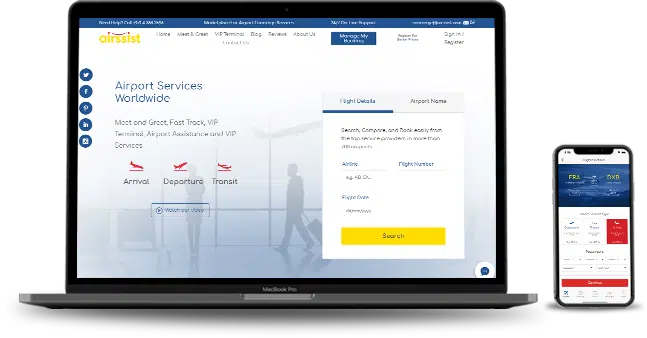
Whether you book with a travel agent or on your own, your experience at the airport sets the tone for your entire trip. Long lines, crowded terminals, and navigating unfamiliar layouts can add unnecessary stress. airssist provides seamless airport concierge services that elevates your travel day from chaotic to calm. Combine your travel agent’s expertise with our tips for hassle-free airport navigation for complete travel confidence
Our team offers fast-track services, access to exclusive lounges, and personal assistance from the moment you arrive at the airport until you board your flight. Let airssist manage the airport logistics, so you can focus on the journey ahead. Book our VIP services today for a truly first-class travel experience.Complement your travel agent’s services with airssist meet & greet services for seamless airport experiences.
Note: Please note that the information on this page is generic & subject to change due to fluctuations in airport services. Kindly confirm service availability with our team, as offerings may vary daily.






 Dubai, United Arab Emirates


