
 Whatsapp
 Buy Gift Card


 Spanish | Espana
 German | Deutch
 Chinese | 中文(简体)
 Japanese | 日本語


Table of Contents
Business in the Gulf rarely follows a predictable schedule. Meetings move across cities and countries in a matter of hours, investment opportunities emerge without warning, and high-profile discussions often require complete discretion. In this environment, traditional commercial travel doesn’t always provide the flexibility, privacy, or control that business leaders need.
Across Saudi Arabia, the UAE, Qatar, and other GCC markets, private air travel is becoming an increasingly common part of executive mobility strategies. While luxury is often associated with private air travel, many organizations view them as a practical solution for protecting time, maintaining confidentiality, and navigating demanding schedules.
Is this simply a premium travel trend, or does it reflect a broader shift in how business is conducted across the Gulf?
In This Guide, You’ll Learn:
- The key reasons business leaders and high-net-worth travelers in the GCC increasingly choose private air travel.
- How privacy, security, discretion, and convenience influence travel decisions at the executive level.
- Industry data and insights from trusted aviation organizations that highlight the growth of private aviation in the region.
- The practical benefits of private travel compared to commercial flying.
- What the private travel experience actually looks like, from booking to arrival.
- Important considerations for business travelers exploring private aviation options.
What’s Driving the GCC Private Air Travel Boom?
The Gulf has quickly become one of the busiest hubs on the planet for high-end travel. Data from the International Air Transport Association shows that premium-class passengers made up 14.7% of all air travel in the Middle East in 2024. That is the highest share of any region worldwide. Skipping the main terminal is no longer a rare luxury here; it is just how normal business gets done.
There is a huge financial story behind this, too. IATA projections show that Middle East carriers are on track to hit a 9.3% net profit margin in 2026, banking roughly $28.6 per passenger: the highest globally. The aviation setup in this part of the world is simply built differently, prioritizing speed, elite service, and discretion far more than anywhere else.
At the same time, the demand for corporate travel keeps climbing, and a lot of executives are choosing to bypass public airports entirely. A few big reasons why:
- Saudi Arabia has dropped strict cabotage rules, making it much easier to arrange flexible charter flights.
- Massive terminal expansions in Riyadh, Dubai, and Doha are dedicated entirely to private air travel.
- The rapid growth of sovereign wealth funds and family offices keeps driving the need for fast, on-demand private aviation.
What this means for you is simple: the infrastructure, the regulations, and the business culture have all lined up to make private air travel the standard for people who cannot afford a single wasted hour.
9 Reasons GCC Executives Choose Private Air Travel
1. Confidentiality During High-Stakes Deals
Mergers, acquisitions, and investment negotiations often depend on absolute secrecy. A leaked photo at an airport gate or a chance encounter with a competitor’s team can derail months of work. The stakes are incredibly high, considering corporate information leaks in the Middle East cost businesses an average of $7.29 million per incident, according to the IBM Cost of a Data Breach Report. Flying privately removes that risk entirely. There are no shared cabins, no public boarding gates, and no unnecessary eyes around.
2. Time Is the Real Currency
Commercial travel means check-in queues, security lines, and unpredictable delays. Business leaders simply cannot build that uncertainty into a packed schedule. With private jet charter services, departure times shift around the traveler’s schedule, not the airline’s. A same-day Dubai to Riyadh round trip that includes a three-hour meeting becomes realistic instead of exhausting.
3. Security for High-Profile Individuals
Many GCC business leaders are public figures, royal family members, or recognizable names within their industries. Public terminals expose them to unwanted attention, security risks, and even targeted threats. Flying privately allows for tighter control over who knows the travel itinerary, which routes are used, and who has access to the traveler before takeoff. This single factor pushes many leaders toward fully private arrangements rather than even first-class commercial seats. Could a single unguarded moment at a busy gate undo months of careful security planning? For many executives, the answer is yes, and that risk alone justifies the cost.
4. Family and Personal Travel Needs Discretion Too
It is not only business trips. Executives traveling with family want the same privacy extended to their loved ones. In fact, recent data published by the Robb Report reveals that a striking 86% of high-end travelers prioritize absolute privacy and seclusion above all else when planning family trips. Children and spouses of prominent business figures benefit from avoiding public exposure, making a secure, crowd-free journey less about luxury and more about family protection.
5. The Rise of On-Demand Private Aviation Platforms
Booking a private flight used to mean long planning cycles and rigid contracts. That has changed. On-demand private aviation now allows leaders to book a flight within hours, sometimes even less, using app-based platforms that show real-time aircraft availability. This flexibility matches the unpredictable nature of Gulf business culture, where decisions and deals can shift overnight.
6. A Status Symbol That Signals Seriousness
In Gulf business culture, how you arrive matters almost as much as what you say once you get there. Arriving by private jet signals seriousness, resources, and respect for the time of everyone involved in a meeting. It quietly communicates that the traveler values efficiency and discretion, two traits highly regarded in regional business etiquette.
7. Multi-Stop Itineraries Without the Hassle
GCC executives frequently need to visit two or three cities in a single day, something nearly impossible with commercial schedules. Private aviation allows custom routing across Riyadh, Jeddah, Dubai, and Doha without worrying about layovers or connection windows. A board member might attend a morning shareholder meeting in one capital, fly to a second city for due diligence talks, and still make it home for dinner. This single advantage alone explains why so many regional business leaders now treat chartered flying as a working tool rather than an occasional indulgence.
8. Reduced Exposure to Public Health and Crowd Risks
Large commercial terminals mean crowds, recycled air in busy lounges, and constant contact with strangers. For executives who cannot afford to fall sick before a critical week of meetings, a private cabin with a small, known crew significantly lowers that exposure. This became a serious consideration for many Gulf business travelers after the pandemic years, and the habit of avoiding crowded terminals has simply stuck around.
9. Custom Catering and Cultural Sensitivity
Private charters allow full control over in-flight catering, which matters a great deal in a region where halal requirements, fasting schedules during Ramadan, and specific dietary preferences are common. Commercial airlines try to accommodate these needs, but a private cabin lets the traveler set the entire menu, timing, and even prayer space arrangements without compromise.
Practical Tips for Flying Privately in the GCC
Thinking about flying privately for your next business trip? Keep these points in mind before you book.
- Book early during major events. Conferences, summits, and large business gatherings in cities like Riyadh and Dubai create a surge in demand for private aircraft, so availability tightens fast.
- Confirm ground transfer arrangements in advance. A private flight loses its value if you are stuck waiting for a car on the runway. Coordinating a smooth tarmac transfer keeps the entire journey private from start to finish.
- Use a VIP terminal wherever possible. Many major Gulf airports now offer dedicated private terminal access that lets you skip the main terminal entirely, keeping your arrival and departure completely discreet.
- Plan your lounge access if you have a layover. Even short waiting periods deserve privacy, and knowing how to use airport lounges properly can make a real difference to comfort and confidentiality.
- Do not underestimate luggage logistics. Business travelers often carry sensitive documents or equipment, and learning how to book a porter service ahead of time avoids unnecessary handling by unfamiliar staff.
- Check visa and customs protocols for each GCC country. Even with private aviation, paperwork still matters, and each Gulf state has its own entry requirements for private aircraft passengers.
- Ask about cabin configuration before booking. Some aircraft suit solo executive travel better, while others are built for small teams or family groups.
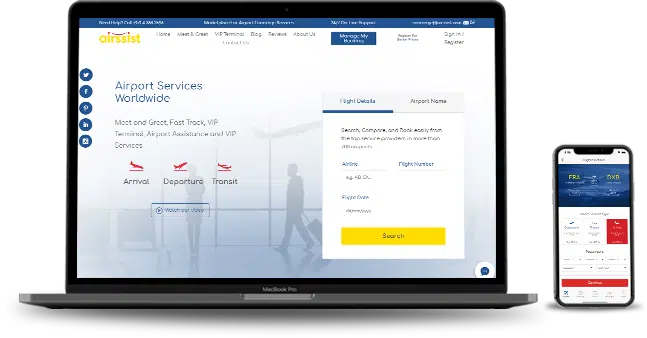
Even the most carefully planned private flight can lose its advantage if the airport experience is not equally smooth. This is where luxury airport concierge providers such as airssist help bridge the gap.
Rather than juggling separate bookings for terminal access, ground transport, and lounge arrangements, it coordinates the entire ground experience around your private flight, ensuring the privacy maintained in the air does not disappear upon landing.
The GCC’s Most Successful Leaders Never Look Back on Private Air Travel
The numbers, the infrastructure, and the everyday habits of Gulf executives all point in the same direction. Private air travel has moved from being an occasional treat to becoming a working necessity for people who cannot risk leaked information, wasted hours, or public exposure.
Whether it is a same-day deal across two cities or a quiet family trip away from prying eyes, the demand for full privacy in the skies is only growing across Saudi Arabia, the UAE, Qatar, and the wider region.
If you are ready to experience that same level of privacy and control on your next trip, you can explore private charter options built around your schedule, not the other way around.
Frequently Asked Questions
Is private air travel only for ultra-wealthy individuals in the GCC?
No. While ultra-high-net-worth individuals remain the core market, on-demand booking platforms and corporate charter options make private flying accessible to mid-sized company executives and small delegations who require specific travel flexibility.
How far in advance should I book a private jet in the GCC?
A few hours to a day is often enough for routine business trips. However, during major regional events, global summits, or peak holiday seasons, booking several days ahead is strongly recommended due to limited aircraft availability.
Do private flights within the GCC require the same visa documentation as commercial flights?
Yes. Passengers on private aircraft must meet all standard international entry requirements, including valid visas and passports. Private aviation bypasses public queues and crowds, but all legal immigration and customs processes still apply.
Can private air travel save money compared to first class?
Yes, for small teams and frequent travelers. While commercial first class is cheaper for solo, occasional travelers, private charters become highly cost-effective for small groups of executives flying together when factoring in overnight hotel savings, avoided layovers, and reclaimed working hours.
Are there environmental concerns with flying privately in the region?
Yes. Private aviation has a higher carbon footprint per passenger due to lower passenger loads. To counter this, many GCC operators now offer carbon offset programs and utilize newer, fuel-efficient aircraft to improve sustainability.
Note: Please note that the information on this page is generic & subject to change due to fluctuations in airport services. Kindly confirm service availability with our team, as offerings may vary daily.




 1701 1 Lake Plaza, Jumeirah Lakes Towers Dubai UAE


