
 Whatsapp
 Buy Gift Card


 Spanish | Espana
 German | Deutch
 Chinese | 中文(简体)
 Japanese | 日本語



Table of Contents
Ever stepped off a work trip feeling completely drained, even though you spent most of the journey sitting down? That heavy, foggy feeling has a name, and it is more common than most people realize. Travel fatigue does not just affect tired vacationers waiting in long airport lines. It hits business travelers who fly every other week even harder, and there is a real reason for that.
A holiday flyer goes home, sleeps for two days, and recovers. A business traveler lands, drops their bag, and walks straight into a meeting. That difference alone changes everything about how the body and mind cope with repeated trips.
Highlights Before We Begin
- The biological and psychological reasons frequent flying wears the body down faster
- How jet lag management differs for someone flying weekly versus occasionally
- Practical ways to handle long haul travel stress without falling apart by Thursday
- Where small airport choices, like using a quiet lounge, actually make a measurable difference
What Is Travel Fatigue and Why Does It Happen?
Travel fatigue is the tiredness, brain fog, and physical drain that comes from the act of traveling itself.
The physical and mental toll is widespread. According to a cross-sectional study indexed by the National Institutes of Health (NIH), over 53% of air travelers experience severe air travel fatigue due to the physiological impact of flight.
It is not the same as jet lag, although the two often show up together. Jet lag happens because your internal body clock is out of sync with a new time zone. This kind of exhaustion can happen even on a short domestic hop with no time change at all. It comes from:
- Sitting still for hours in a pressurized cabin
- Disrupted eating and sleeping schedules
- Airport stress, security lines, and gate changes
- Dehydration from cabin air and rushed schedules
For someone who flies twice a year, this fades within a day or two. For someone who flies every week, it barely has time to fade before the next flight begins.
5 Reasons Frequent Business Travelers Feel Travel Fatigue More Intensely
1. The Body Never Gets a Full Recovery Window
A circadian rhythm needs roughly a day to adjust for every time zone crossed, according to the Sleep Foundation, citing research reviewed by the CDC. An occasional flyer crossing three time zones gets about three days to recover before life goes back to normal. A frequent business traveler often boards another flight before that window closes.
This is what researchers call additive disruption. The CDC’s own Yellow Book guidance, used by travel health clinics, states clearly that pre and post travel planning to limit jet lag matters most for frequent travelers, because the negative health effects of repeated circadian disruption build on top of each other rather than resetting each time.
2. Sleep Debt Stacks Up Quietly
One bad night of sleep is manageable. Ten bad nights spread across a month of travel is a different story.
A peer-reviewed narrative review published in the Journal of Family Medicine and Primary Care notes that jet lag symptoms can become chronic in frequent travelers such as flight crew and international executives, while occasional travelers typically experience only short-term, self-resolving symptoms. The difference is not the flight. It is how often the body is asked to recover from the same disruption.
3. Immune Function Takes Repeated Hits
This is one of the lesser discussed effects of long-haul travel stress, and it is backed by real biology. The circadian clock regulates immune cell activity, and research summarized in a clinical review on long-haul flying found that frequent flyers showed patterns linked to immune system dysregulation tied to exhaustion and circadian disruption.
Separately, general air travel research has found that close to 20 percent of travelers develop cold symptoms within a week of flying. Multiply that risk by twelve or fifteen trips a year, and an occasional flyer’s “bad luck” becomes a frequent flyer’s recurring pattern.
4. Stress Compounds Instead of Resetting
An occasional flyer’s stress is usually tied to one trip: booking, packing, the flight itself. Once it is over, stress drops to zero.
A frequent business traveler often starts planning the next trip before fully unpacking from the last one. Industry data backs this up. According to the Global Business Travel Association’s 2025 Business Travel Index, global business travel spending is projected to keep climbing through 2026, which means more employees are flying more often, not less. More trips packed closer together leaves less room for the body and mind to fully reset between them.
5. The Mental Load Is Heavier Than People Admit
Business travel is not just physical. There is the pressure of performing well in a meeting hours after landing, juggling time zones for calls, and managing a household remotely. Occasional flyers, often traveling for leisure, do not carry this layered mental load.
This mental strain tends to surface as reduced focus, shorter patience, and slower decision-making, exactly the moments where a business traveler needs to be sharp.
7 Travel Fatigue Recovery Tips for Frequent Flyers
The goal here is not to eliminate this kind of tiredness completely. That is not realistic for someone flying regularly. The goal is to manage it so it does not snowball trip after trip.
1. Build a Pre-Flight Routine, Not Just a Packing List
Frequent travelers benefit from treating sleep and light exposure as part of trip prep, not an afterthought. Shifting bedtime by even 30 minutes toward the destination time zone a few days before departure helps the body adjust faster on arrival. This single habit is one of the simplest forms of jet lag management available, and it costs nothing.
2. Use Airport Downtime Wisely Instead of Rushing Through It
Most travelers treat the airport as dead-time to survive. Frequent flyers who treat it as recovery time tend to land in better shape. Learning how to beat jet lag in airports by managing light exposure, hydration, and short movement breaks before boarding can noticeably reduce how rough the next 24 hours feel.
3. Reduce Decision Fatigue at the Airport Itself
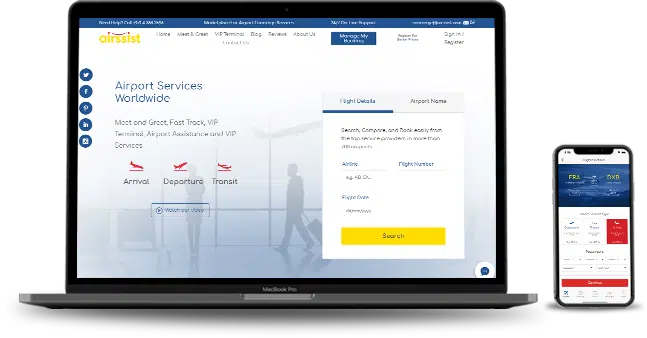
Every gate change, every line, every “where do I go now” moment adds a small dose of stress. Over a year of frequent flying, these add up. Airport assistance services like airssist meet and greet support, remove several of these micro decisions, which leaves more mental energy for the actual work trip.
4. Protect Pre-Flight Calm With a Better Waiting Experience
A noisy, crowded gate area before a long flight does not help anyone arrive rested. Knowing how to use airport lounges properly, including timing and access options, gives frequent travelers a quieter space to actually rest before boarding instead of starting the flight already drained.
5. Choose Smarter Routing and Terminal Support for Long Haul Trips
Long-haul travel stress is rarely just about flight duration. It is about everything around the flight, layovers, terminal transfers, customs queues. For travelers who fly internationally on a regular basis, a VIP terminal option can shorten the most draining parts of the journey, particularly during high-traffic travel periods.
6. Build in a Buffer Day When Trips Allow It
Where schedules allow even half a day before the first meeting, frequent travelers recover noticeably better. This is backed by general travel health guidance from the CDC, which recommends allowing time for circadian adjustment specifically for travelers who fly often, rather than scheduling meetings immediately after landing.
7. Keep Small Travel Habits Consistent Across Every Trip
Frequent flyers who succeed at managing exhaustion usually have a short, repeatable routine: same hydration habit, same approach to in-flight movement, same wind-down steps before sleep regardless of city or time zone. For broader hassle-free airport days, sticking to small consistent habits matters more than any single trick.
If Every Trip Leaves You Exhausted, It Might Be Time to Travel Differently
This kind of exhaustion is not a sign that someone is bad at traveling. It is the predictable result of asking a human body to absorb repeated disruption with little recovery time in between. Occasional flyers feel a version of this too, but it fades quickly because their body gets long stretches to reset.
Frequent business travelers do not get that luxury, which is exactly why travel fatigue stacks up over weeks and months rather than days. The encouraging part is that small, consistent habits, better airport choices, and realistic recovery windows can meaningfully soften the impact, even for someone living out of a carry-on most of the year.
Frequently Asked Questions
Does travel fatigue affect short domestic flights too, or only international ones?
Yes. Travel fatigue can occur on both domestic and international flights. Airport stress, disrupted routines, poor sleep, and extended periods of sitting can leave travelers feeling exhausted even after relatively short journeys.
Can frequent travelers build up a tolerance to travel fatigue over time?
No. While experienced travelers may develop better jet lag management and recovery habits, the physical effects of travel fatigue and disrupted sleep cycles do not disappear completely.
Is there a difference between exhaustion right after landing versus exhaustion later in the trip?
Yes. Fatigue immediately after landing is often linked to dehydration, inactivity, and long-haul travel stress. Fatigue that appears later is usually caused by accumulated sleep debt and ongoing schedule disruption.
Does diet on travel days make a real difference to travel fatigue levels?
Yes. Proper hydration and balanced meals can help reduce travel fatigue and support better energy levels. Heavy meals, alcohol, and skipped meals may worsen feelings of exhaustion during and after a flight.
How many business trips per month typically start triggering chronic travel fatigue?
There is no fixed number. Chronic travel fatigue is usually caused by insufficient recovery time between trips rather than the number of flights taken. Frequent travelers should prioritize rest and recovery between journeys.
Are there any official health guidelines for jet lag management?
Yes. Health authorities such as the CDC recommend proven jet lag management strategies, including adjusting sleep schedules before departure, managing light exposure, staying hydrated, and allowing adequate recovery time after travel.
Note: Please note that the information on this page is generic & subject to change due to fluctuations in airport services. Kindly confirm service availability with our team, as offerings may vary daily.




 1701 1 Lake Plaza, Jumeirah Lakes Towers Dubai UAE


