
 Whatsapp
 Buy Gift Card


 Spanish | Espana
 German | Deutch
 Chinese | 中文(简体)
 Japanese | 日本語



Table of Contents
Flying from Dubai to London to Singapore in a single week sounds easy from the outside. In reality, there are a lot of separate pieces that all have to work at the same time. Even wealthy, experienced travelers get stuck at immigration desks, miss connections, or land in a new time zone with no time to adjust.
HNW individuals travel more often than most people realize. Business commitments, privacy concerns, family travel, and tight schedules mean that a small disruption in one location can quickly impact the entire itinerary. The more countries involved, the more important it becomes to plan ahead.
What You’ll Learn in This Guide
- The most common problems HNW individuals face when traveling across several countries
- How these problems affect time, privacy, and comfort
- Practical ways to keep a multi-country trip on track
The Biggest Multi-Country Travel Challenges for HNW Individuals
1. Entry Requirements Keep Changing, and Nobody Tells You
Visa rules, e-visas, health documents, and customs policies are rarely the same from one country to the next. What worked last year might not work this year. A traveler visiting four countries in ten days could be dealing with four different sets of paperwork. Part of the challenge is that international travel rules are changing faster than ever.
According to UN Tourism, the share of travelers who needed traditional visas dropped from 77% in 2008 to 47% in 2023. While that sounds like travel has become easier, the reality is often more complicated. Many countries have replaced traditional visas with their own digital entry systems, including eVisas, visas on arrival, and specialized programs such as digital nomad visas. As a result, travelers now have to keep track of a growing mix of requirements that can vary significantly from one destination to the next.
- Visa types and validity periods vary widely by destination
- Health declarations or entry permits can be added at short notice
- One missed document can delay the rest of the trip
A small mistake in this step can affect every stop that comes after it.
2. Juggling Flights, Layovers, and Ground Transport Isn’t Easy
A multi-country trip usually means several flights, tight layovers, and ground transport booked ahead of time for each stop. One delay at the first airport can affect everything that follows.
- A missed connection often means changing hotel check-in times and meetings
- Ground transport needs to adjust quickly when plans change
- Bad weather in one city can affect the rest of the schedule
Planning for delays instead of hoping they won’t happen makes a real difference here.
3. Staying Private While Moving Through Public Spaces
Airports and hotel lobbies aren’t private places. For someone whose business decisions or family matters are widely known, being recognized at the wrong moment can create real problems.
- Standing in public queues increases visibility
- Private calls or conversations are harder to keep confidential while in transit
- Attracting attention during arrivals or departures isn’t always easy to avoid without planning ahead
This is one reason many HNW individuals look into personalized concierge support at each stop.
4. Time Zones Don’t Care About Your Schedule
Running a business meeting in New York and landing in Tokyo the next morning sounds fine until the jet lag hits and the emails pile up.
- Coordinating calls across three or four time zones in one week is tiring
- Teams and clients still expect quick replies no matter where you are
- Staying focused for meetings gets harder with each border crossed
5. Traveling With Family and Staff Adds Another Layer
It’s rarely just one person traveling. Spouses, kids, nannies, assistants, and security staff often come along, and each one has their own documents, preferences, and schedule to manage.
- Passport and visa timelines differ for each traveler
- People in the same group may have different comfort levels with flight times or layovers
- One person’s delay can hold up the whole group
6. Airports in Unfamiliar Cities Can Be Overwhelming
Not every international airport runs the same way. Some are fast and organized. Others involve long queues, unclear signage, and language differences that slow everything down.
- Immigration procedures differ from country to country
- Large airports can be confusing without local knowledge
- Peak travel hours can turn a quick transit into a long wait
Knowing what to expect at each destination before arrival helps avoid unnecessary stress at the gate.
7. Service Quality Isn’t Always Consistent
A great experience in one country doesn’t guarantee the same standard somewhere else. Transportation providers, hotels, and airport staff can vary a lot in reliability from one destination to the next.
- Local drivers or car services may not match expectations
- Hotel standards can shift even within the same brand
- Comfort drops when quality isn’t consistent trip after trip
Solutions That Help Simplify Multi-Country Travel for HNW Individuals
1. Plan the Trip Around the Weakest Leg, Not the Easiest One
Most itineraries get built around the destinations that matter most and the flights that look most convenient. That approach misses the point. The better way is to figure out which part of the journey is most likely to fail first, usually a tight connection through a busy airport or a country with unpredictable customs, and plan the rest of the trip around protecting that one part.
- Book connecting flights on a single ticket so the airline has to rebook you if something goes wrong, instead of separate one-way fares that leave you stuck if one flight is late.
- Replace the riskiest short connection with a direct flight or a private charter, even if it costs more, when the meeting or event on the other end can’t be moved.
- Find out which country in the trip has the least predictable immigration process and keep that day’s schedule light, rather than the easiest country.
2. Work With One Team That Already Knows Each City
A regular travel agent books flights and hotels. What actually prevents problems on a multi-country trip is working with a team that already has contacts at the ground transport companies, immigration offices, and private terminals in each city, before you ever arrive.
- Preparing the entry documents and local requirements for each country in advance catches problems days before departure instead of at the immigration counter
- Ground staff who already know the traveler’s preferences can adjust a pickup or a transfer on the spot, without waiting on approval from a call center
- Having one person to call who knows the trip, rather than a different support agent each time, is what actually gets a flight rebooked at two in the morning
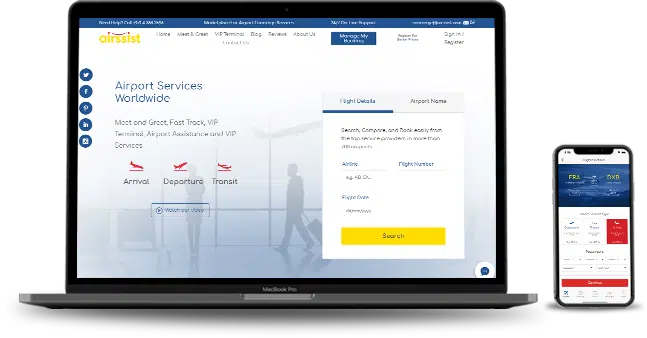
What makes a difference in these situations is having support that extends beyond booking flights and hotels. Services such as airssist provide access to airport assistance, local coordination, family travel assistance, and on-the-ground support across many international destinations. When plans change unexpectedly, having established airport and transportation contacts already in place can help travelers respond faster and avoid unnecessary disruptions.
3. Plan for Privacy Before Booking Anything
Privacy has to be built into how the trip is booked from the start, not fixed later at the airport. This includes which name appears on which booking and which entrance is used on arrival.
- Use private arrival and departure channels where available, instead of the main public terminal, so the traveler isn’t standing in a visible queue
- Use plain, unmarked ground transport rather than vehicles that draw attention, especially in cities with less predictable security
- Handle sensitive calls once the traveler is in a private car or lounge, not while still in an immigration line
Let’s go through practical tips, rather than general travel advice that can help set the right expectations before the trip begins.
4. Know Which Stop in the Trip Needs the Most Help, Not Every Stop
Not every airport on a multi-country itinerary needs the same level of support. A quick, well-run hub might need nothing more than a fast connection, while a congested or unfamiliar one can eat up hours if nobody has planned for it. Some stops are naturally more challenging than others. Large hubs like Heathrow and JFK often involve long queues and complex transfers, while destinations such as Nice Côte d’Azur can become heavily congested during peak seasons and major events.
Identifying these higher-risk stops early allows travelers to focus resources where they can have the greatest impact.
- Rank each airport on the itinerary by how congested or unfamiliar it is, and put extra planning only where it’s actually needed
- Where public processing at a specific hub is known to run long, a VIP terminal is worth checking for availability, since it isn’t offered everywhere and knowing in advance changes how tight that leg of the trip can be
- Bags and connections at the more difficult stops need a plan on paper before departure, not a decision made in the terminal itself
5. Give Everyone Traveling the Same Live Information
A shared spreadsheet or a group chat isn’t the same as information that updates the moment something changes. When a flight shifts by two hours, the household staff, the assistant, the security team, and any family member traveling separately all need to know right away, not find out later through a forwarded message.
- Live flight tracking means a delay is visible to everyone in the group before it’s even announced at the gate. It’s a real possibility on any given trip: according to the U.S. Bureau of Transportation Statistics, only 77.78% of domestic flights arrived on time in May 2026, with the remainder delayed, cancelled, or diverted. If that many flights face disruptions in the U.S. alone, it’s easy to see how a multi-country itinerary can quickly fall behind schedule.
- When a flight time changes, the hotel check-in and the ground transport pickup should adjust on their own, instead of needing a separate phone call to each one
- Preferences noted once, from meal choices to seating to whether a child needs a car seat, should carry over to the next country automatically, instead of being explained again at every stop
Keeping an eye on shifting travel trends also helps HNW individuals plan around destinations that are adding new requirements before those changes cause problems mid-trip.
HNW Individuals Need More Than Standard Travel Planning
It takes more than booking flights and hotels. Between changing entry rules, tight connections, privacy concerns, and coordinating a group of travelers, good planning matters a lot here.
None of these problems are impossible to solve. With the right routing choices, the right contacts already in place at each destination, and a privacy plan built in from the start, HNW individuals can spend less time solving problems on the road and more time actually enjoying the trip, whether that’s closing a deal, seeing family, or just relaxing somewhere new.
Global wealth figures show why this matters. UBS reports that the world’s millionaire population reached roughly 58 million in 2025, growing by nearly one million people in a single year. The more countries involved, the more important preparation becomes. A trip that looks simple on paper can quickly become complicated without the right support systems in place before departure.
Frequently Asked Questions
How Can HNW Individuals Manage Multi-Country Travel During Peak Travel Seasons?
Peak travel periods often bring longer airport queues, higher flight demand, and limited availability for premium services. Planning key bookings early and identifying backup options can help reduce disruptions when traveling across multiple countries.
Are VIP Airport Services Available at Every International Airport?
No. Availability varies by airport and country. Some destinations offer dedicated VIP terminals and private transfers, while others provide only fast-track immigration and personalized airport assistance.
What Is the Best Way to Handle Baggage During Multi-Country Travel?
For complex itineraries, travelers should confirm baggage transfer policies before departure, especially when flying with multiple airlines. Carrying essential items in hand luggage can also reduce the impact of unexpected baggage delays.
How Do Entry Requirements Affect Multi-Country Travel Planning?
Each destination may have different visa, passport validity, health declaration, or customs requirements. Reviewing entry rules for every stop before departure helps prevent delays that could affect the entire itinerary.
Why Are Airport Connections a Common Challenge in Multi-Country Travel?
Short layovers, terminal changes, immigration checks, and flight delays can quickly disrupt travel plans. Building realistic connection times into the itinerary helps reduce the risk of missed flights.
What Should HNW Individuals Look for in a Multi-Country Travel Support Service?
The most effective travel support services provide airport assistance, local coordination, real-time itinerary management, and access to support teams across multiple destinations. This can help travelers handle unexpected changes more efficiently.
Note: Please note that the information on this page is generic & subject to change due to fluctuations in airport services. Kindly confirm service availability with our team, as offerings may vary daily.




 1701 1 Lake Plaza, Jumeirah Lakes Towers Dubai UAE


