
 Whatsapp
 Buy Gift Card


 Spanish | Espana
 German | Deutch
 Chinese | 中文(简体)
 Japanese | 日本語


Table of Contents
Corporate travel in 2026 will not be the same as it was several years ago. The increasing cost of traveling, increased duty-of-care, and increased expectations by travelers have altered how organizations manage corporate travel policies. Clients are no longer satisfied with rigid policies that slow people down. They want structure, visibility, and flexibility while still remaining within budget and compliant.
Managing corporate travel policies to benefit your clients has therefore become a core responsibility for travel advisors, corporate travel managers, and agencies. A travel policy can no longer be treated as a simple list of rules. It is an operational framework that helps travelers make better booking decisions, keeps expenses under control, and enables coordinators to reduce confusion, exceptions, and last-minute issues.
The challenge is to strike the right balance between clarity for decision-making and flexibility that reflects real travel needs. This can be achieved as follows.
Quick Overview
In 2026, effective corporate travel management is built around clear objectives, centralized bookings, realistic budgets, strong duty-of-care planning, and consistent communication. Practical and easy-to-follow policies improve compliance, traveler satisfaction, and cost visibility at the same time.
1. Begin With Strategy, Not Rules: What Is the Client Trying to Achieve?
You cannot write even a single line of a travel policy without understanding why your client travels.
Is travel intended to grow sales? Support regional teams? Attend industry events? Maintain client relationships? Or keep executives mobile and productive?
What to Determine Before Developing the Policy
When managing travel policies on behalf of your clients, start by identifying:
- The primary business purpose of travel
- The top priorities (cost control, safety, traveler performance)
- The employee groups that travel most frequently
This step is critical. Policies that do not reflect real business needs quickly become non-compliant. Finance focuses on budgets, HR focuses on safety and legal responsibility, and frequent travelers understand what actually works on the road. Involving these stakeholders early helps prevent policies that look structured but fail in daily use.
Business tycoon travel patterns often reinforce this reality. Senior leaders frequently rely on tailored solutions, such as airport concierge services, to protect time and productivity, underscoring why one-size-fits-all policies rarely work for every role.
2. Establish Realistic Limits Using Travel Data, Not Assumptions
Policies built on assumptions rarely survive real-world travel behavior. Historical travel data provides a far more accurate picture of how people actually move.
Industry statistics show that around 1.3 million people commute daily in the U.S. alone, with roughly 20 percent of all travel being work-related. Most business trips are relatively short, with fewer than 7 percent exceeding 1,000 miles. This indicates that a small number of routes and destinations typically account for a large share of corporate travel spend.
Travel Data You Should Review
- Most frequently booked routes and destinations
- Peak travel periods
- Categories where out-of-policy spending occurs repeatedly
For travel coordinators and agencies, this data helps define realistic boundaries that travelers can follow. Data-driven limits reduce friction, minimize exceptions, and prevent policy fatigue.
3. Centralize Booking to Maintain Control Without Micromanaging
Centralized booking remains one of the most effective ways to improve compliance and visibility.
When travelers book across multiple channels, spending becomes fragmented and difficult to track. Centralization brings bookings, approvals, and traveler data into one system, making policy enforcement and reporting much easier.
What Centralized Booking Policies Should Include
Well-defined policies clearly specify:
- Approved booking platforms or TMCs
- Conditions under which off-platform bookings are not allowed
- Clear exception and approval procedures
Advance booking rules are also essential. Requiring flights to be booked 14–21 days in advance and hotels 7–14 days in advance consistently lowers average costs while maintaining flexibility.
Centralization is not about limiting travelers. It is about clarity, efficiency, and control without micromanagement.
4. Stabilize Spending Rules and Make Them Location-Specific
Vague spending rules are one of the most common causes of policy failure. Travelers need guidelines they can apply quickly, without interpretation.
What Strong Spending Rules Look Like
Effective policies clearly define:
- Approved cabin classes based on flight duration or traveler role
- City-based hotel rate caps
- Fixed per diem allowances for meals and incidentals
IATA notes that airlines can face fines of up to USD 10,000 per passenger for regulatory non-compliance, demonstrating how unclear rules can lead to real financial consequences. The same principle applies to corporate travel spending.
City-specific caps are especially important. A rate that works in one destination may fail in major business hubs with higher costs.
5. Look Beyond Ticket Price to Address Hidden Travel Costs
Policies focused only on short-term pricing often lead to higher long-term costs.
Unfavorable flight schedules, poorly located hotels, and frequent disruptions reduce productivity and increase traveler fatigue. Companies have spent £1.6 billion in the UK and over $17 billion in the US annually, managing the consequences of travel disruptions, while travelers often absorb out-of-pocket costs for meals, transport, and rebooking.
Industry research on hidden travel costs shows how these expenses accumulate, particularly for frequent travelers and why flexible, well-designed policies are often more cost-effective over time.
Long-term policy planning protects both budget control and traveler performance.
6. Simplify Expense Control to Reduce Friction
Expense reimbursement is one of the biggest friction points in corporate travel.
Delayed or complicated reimbursement processes frustrate travelers and erode trust. Expense compliance should be supported by policy, not made harder by it.
Expense Practices That Support Travelers
Best practices include:
- Digital receipt capture during the trip
- Corporate cards with predefined limits
- Predictable reimbursement timelines
Trust improves when employees are not required to front business expenses. SAP Concur insights also show that automated expense reporting significantly reduces reimbursement time while improving compliance and visibility.
7. Duty of Care Is a Core Policy Responsibility in 2026
Traveler safety is no longer optional. It is both a legal and moral responsibility.
Organizations must know where their travelers are and how to support them during disruptions, emergencies, or health and security incidents.
Core Duty-of-Care Elements
Strong policies include:
- Real-time traveler tracking
- 24/7 emergency assistance
- Pre-trip risk assessments
As business travel evolves, many organizations are integrating travel risk management solutions to meet duty-of-care requirements without adding unnecessary complexity.
8. Improve Airport Experiences Without Turning Policies Into Luxury Lists
Much of travel stress occurs at airports. Long queues, crowded terminals, and tight connections affect productivity before meetings even begin.
Airport Support That Enhances Productivity
Modern travel policies often allow:
- Business lounge access
- Airport support services
- Priority handling during peak travel times
These are not luxury perks; they are productivity tools. Structured airport support helps travelers arrive focused, on time, and prepared.
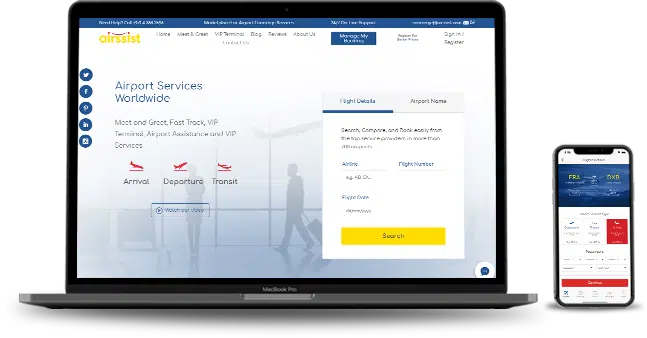
Services such as airssist are commonly included as optional support where time efficiency and traveler well-being are critical.
9. Introduce Sustainability Without Disrupting Operations
Sustainability is now part of responsible corporate travel planning. Corporate travel accounts for nearly 12 percent of airline revenue, giving organizations meaningful influence over sustainable practices.
Sustainability Measures in Travel Policies
Modern policies may include:
- Preference for direct flights when available
- Promotion of responsible suppliers
- Emissions tracking and awareness
When implemented thoughtfully, business travel sustainability supports, not competes with, operational efficiency.
10. Communicate Policies Clearly and Keep Them Alive
A travel policy only works if people can find it, understand it, and trust it.
How Policies Should Be Communicated
Effective communication includes:
- Easily accessible digital policy documents
- Practical, traveler-friendly guides
- Clear booking, expense, and support contacts
Regular reviews ensure policies stay aligned with changing travel conditions, costs, and traveler expectations.
Final Thoughts: Balance Is the Core of Travel Policy Management
Corporate travel policy management is ultimately about balance, control without rigidity, and flexibility without confusion.
When goals are clear, rules are realistic, and communication is consistent, policies stop feeling restrictive and start functioning as tools for productivity, safety, and trust. That balance defines successful corporate travel management in 2026.
And remember: even the best travel policy loses value if travelers are stressed before boarding. Policies come to life at the airport.
If you want to understand how experienced business travelers optimize their airport time, this business travel tips guide on creating a smooth journey is a valuable next read.
FAQs About How To Manage Corporate Travel Policies for Your Clients
What should be included in a travel policy?
A travel policy should cover booking rules, spending limits, approval workflows, and safety procedures. It should also explain traveler responsibilities and available support. Clarity is more important than length.
What are the corporate travel guidelines?
Corporate travel guidelines are the practical instructions that help travelers plan and complete trips consistently. They usually cover flights, hotels, transport, expenses, and emergencies. Good guidelines reduce confusion and exceptions.
How often should corporate travel policies be reviewed?
Most organizations review travel policies annually or after major cost or risk changes. Frequent travel programs may require more regular updates. Reviews ensure policies remain realistic and effective.
How do travel policies improve traveler satisfaction?
Clear policies reduce uncertainty and stress. Travelers feel more confident when they know what is allowed and supported. Balanced policies improve both compliance and morale.
Can travel management partners support policy implementation?
Yes, partners help enforce booking rules, provide data insights, and support travelers during disruptions. They act as an extension of the policy, not a replacement for it.
Sources
- GITNUX: Business Travel Statistics & Trends https://gitnux.org/business-travel-statistics/
- 24 Market Reports: Global Travel Risk Management Forecast (2025-2032) https://www.24marketreports.com/services/global-travel-risk-management-services-forecast-2025-2032-701
- SAP Concur: The Benefits of Integrated Travel & Expense Management https://www.concur.ca/blog/article/integrated-travel-expense-management
- Perk: The Hidden Cost of Travel Disruption https://www.perk.com/uk/press-release/the-hidden-cost-of-travel-disruption/
- IATA: Can AI Really Take Charge of Passenger Travel Compliance? https://www.iata.org/en/publications/newsletters/iata-knowledge-hub/can-ai-really-take-charge-of-passenger-travel-compliance/
Note: Please note that the information on this page is generic & subject to change due to fluctuations in airport services. Kindly confirm service availability with our team, as offerings may vary daily.






 Dubai, United Arab Emirates


