
 Whatsapp
 Buy Gift Card


 Spanish | Espana
 German | Deutch
 Chinese | 中文(简体)
 Japanese | 日本語

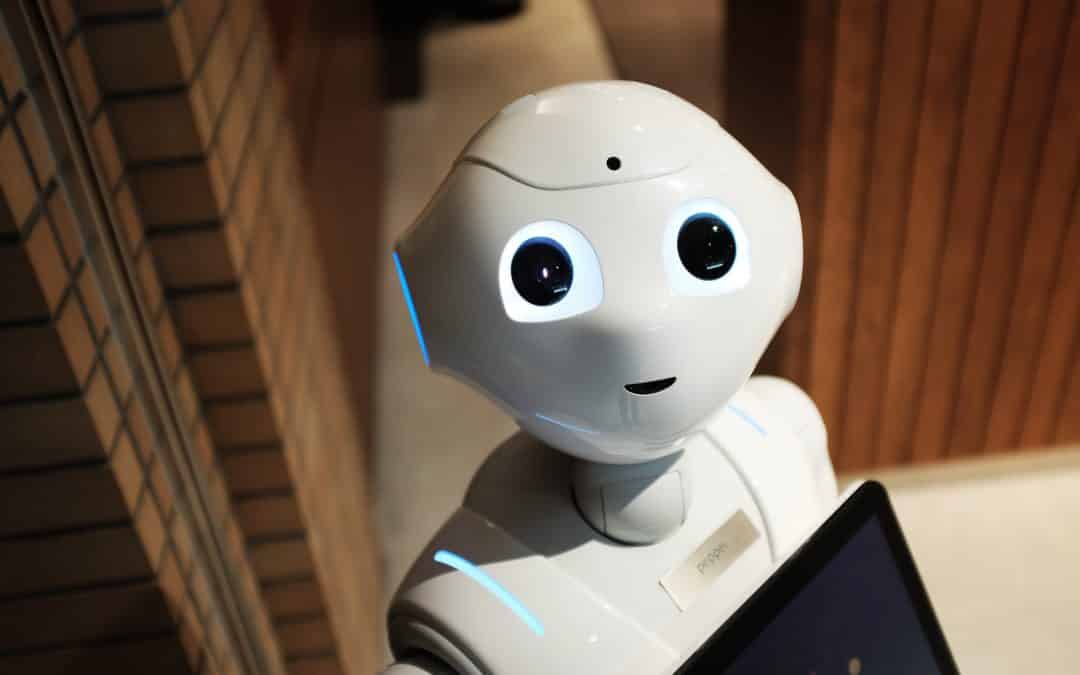
Table of Contents
Airport robots are revolutionizing travel with AI navigation robots for airports, airport security robots, and robot assistants providing passenger services. From robots at airports guiding travelers to gates, to airport robotics handling security screening, robot assistance transforms the airport experience. This comprehensive guide explores airport robot technology, robot working on airport operations, famous serving robots for airports, and how robot in airport environments enhance efficiency and passenger satisfaction. Discover which airports robots lead innovation and what the future holds for airport robotics worldwide.
AI Navigation Robots for Airports: Revolutionizing Wayfinding
AI navigation robots for airports are transforming how passengers find their way through complex terminals. These intelligent airport robots use artificial intelligence, computer vision, and mapping technology to guide travelers efficiently.
How AI Navigation Robots Work:
Real-Time Wayfinding: AI navigation robots for airports leverage:
- LiDAR sensors for obstacle detection
- Computer vision to map terminal layouts
- Natural language processing for passenger inquiries
- Real-time flight data integration
- Multi-language support (50+ languages)
Leading AI Navigation Airport Robots:
1. Spencer (Amsterdam Schiphol Airport) The Spencer robot at airport terminals specializes in navigation:
- Guides passengers from arrival to gates
- Coordinates with multiple travelers simultaneously
- Adapts routes based on crowd density
- Provides estimated walking times
2. LG CLOi Guide Robot (Incheon Airport) This airport robot offers:
- Interactive touchscreen navigation
- Voice-activated directions
- Integration with airport mobile apps
- Real-time gate change updates
3. Relay Robots (San Francisco & San Jose Airports) Robots in airports providing:
- Terminal-wide navigation assistance
- Concierge information services
- Directions to lounges, gates, amenities
- Accessibility support for elderly/disabled
Benefits of AI Navigation Robots:
For Passengers:
- 60% reduction in time finding gates
- Reduced stress in unfamiliar airports
- Language barrier elimination
- Assistance for tight connections
For Airports:
- Reduced staff burden for wayfinding inquiries
- Improved passenger flow management
- Real-time congestion data collection
- Enhanced accessibility services
Which Airports Use AI Navigation Robots?
Major airports with navigation robots:
- Amsterdam Schiphol (Netherlands) – Spencer
- Seoul Incheon (South Korea) – LG CLOi
- San Francisco International (USA) – Relay
- Munich Airport (Germany) – Josie Pepper
- Tokyo Haneda (Japan) – NAO navigation system
- Singapore Changi (Singapore) – Various models
The global market for airport robotics focused on navigation is expected to reach $500 million by 2028, with AI navigation robots for airports becoming standard at major international hubs. While robots at airports improve accessibility, travelers with special needs may also require special assistance at airports.
Airport Security Robots: AI-Powered Security & Surveillance
Airport security robots are revolutionizing how airports handle safety, surveillance, and threat detection. These autonomous robots working on airport security operations combine AI, facial recognition, and advanced sensors.
Leading Airport Security Robots:
1. Anbot (Shenzhen Airport, China) Anbot is the world’s first autonomous police robot at airport terminals:
Capabilities:
- Facial recognition for identifying suspects
- Autonomous patrol of terminal areas
- Real-time threat detection via cameras
- Pursuit speed of 18 km/hour
- Non-lethal weapon systems (taser)
- Voice interaction with passengers
Security Features:
- 360-degree HD video surveillance
- Sound and light analysis for threat detection
- Integration with airport security systems
- Remote control capability for human operators
- Emergency response protocols
2. ROAMEO (Multiple US Airports) This airport security robot provides:
- Autonomous perimeter patrol
- Thermal imaging for intruder detection
- License plate recognition
- Real-time alerts to security teams
3. Knightscope K5 (Major US Airports) Airport robotics for security featuring:
- 24/7 autonomous patrol
- 360-degree video recording
- Anomaly detection algorithms
- Integration with existing security infrastructure
Airport Security Robot Applications:
Surveillance & Monitoring:
- Continuous terminal patrol
- Crowd monitoring and density analysis
- Unattended baggage detection
- Restricted area monitoring
Threat Detection:
- Facial recognition against watchlists
- Behavioral analysis algorithms
- Sound detection (gunshots, alarms)
- Suspicious package identification
Emergency Response:
- First responder to incidents
- Real-time video feed to security
- Crowd management during evacuations
- Communication relay in emergencies
Benefits of Airport Security Robots:
Enhanced Security:
- 24/7 vigilance without fatigue
- Faster threat detection and response
- Deterrent effect on criminal activity
- Comprehensive video documentation
Cost Efficiency:
- Reduced need for human patrol
- Lower long-term operational costs
- Scalable security coverage
- Predictable performance
Passenger Safety:
- Faster incident response times
- Proactive threat prevention
- Improved surveillance coverage
- Enhanced emergency protocols
Challenges & Considerations:
Privacy Concerns:
- Facial recognition ethics
- Data storage and security
- Passenger consent and transparency
- Regulatory compliance (GDPR, etc.)
Human Oversight:
- Robots complement, not replace, human security
- Critical decisions require human judgment
- Technical failures and backup protocols
- Integration with existing security teams
The airport security robot market is projected to grow 35% annually, with major airports worldwide investing in autonomous security robots at airports to enhance safety while reducing operational costs.
Service Robots at Airports: From Cleaning to Customer Assistance
Beyond navigation and security, serving robots for airports handle various operational and passenger service tasks, enhancing efficiency and customer experience. Premium terminals increasingly feature airport robots alongside exclusive VIP terminal services for high-end travelers.
Types of Service Airport Robots:
1. Cleaning & Maintenance Robots
Airport robots for facility upkeep:
- Automated floor scrubbers – Pittsburgh, Dallas airports
- UV disinfection robots – Deployed during COVID-19
- Trash collection robots – Testing at major hubs
- Window cleaning robots – External facade maintenance
2. Baggage Handling Robots
Robots in airports revolutionizing luggage:
- Automated baggage sorting systems
- Self-service bag drop robots
- Lost luggage search robots
- Heavy lifting assistance for staff
3. Food & Beverage Service Robots
Airport robot hospitality services:
- Autonomous delivery robots – Food/beverage to gates
- Café service robots – Order taking and delivery
- Room service robots – Airport hotels
- Contactless delivery – Safety during pandemics
4. Information & Assistance Robots
Robot assistants for passenger queries:
- Multi-language information kiosks
- Travel documentation assistance
- Accessibility support robots
- Lost & found coordination
Notable Service Robots at Airports:
1. Josie Pepper (Munich Airport, Germany) This friendly airport robot provides:
- Passenger information and directions
- Flight status updates
- Terminal amenity locations
- Entertainment and conversation
2. NAO (Tokyo Haneda Airport, Japan) Humanoid robot at airport offering:
- Interactive conversations with passengers
- Flight information retrieval
- Connection to airport staff via smartwatches
- Multi-language support (Japanese, English, Chinese)
3. Relay Delivery Robots (San Jose Airport) Robots at airports delivering:
- Food and beverages to passengers
- Retail purchases to gates
- Medical supplies when needed
- Documents to airline offices
Benefits of Service Airport Robots:
Operational Efficiency:
- 24/7 availability without breaks
- Consistent service quality
- Reduced labor costs for repetitive tasks
- Scalable during peak travel times
Passenger Experience:
- Novelty and entertainment value
- Contactless service options
- Faster service delivery
- Accessibility for all passengers
Hygiene & Safety:
- UV disinfection capabilities
- Reduced human contact during pandemics
- Consistent cleaning standards
- Contamination prevention
The airport robotics market for service applications is expected to exceed $1 billion by 2027, with serving robots for airports becoming commonplace at major international terminals.
Airport Robots & AI: How Robot Assistants Help Airports
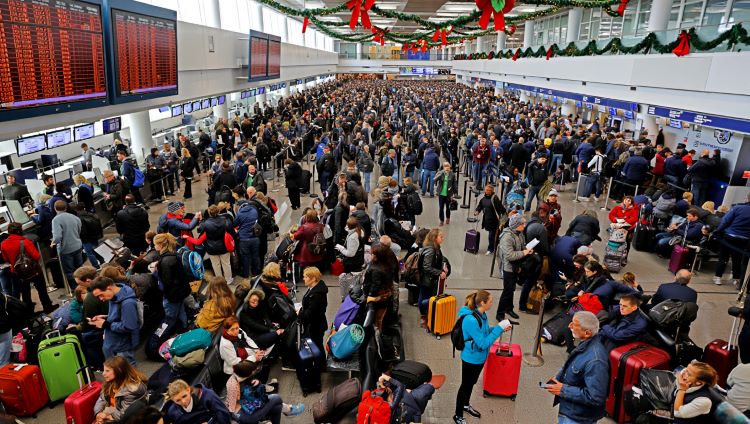
As airports strive to enhance passenger experiences and improve operational efficiency, they face numerous challenges. Long queues, confusing wayfinding, and security concerns are just a few examples. However, with the advent of Artificial Intelligence (AI), airports now have a powerful tool to overcome these challenges and transform the way they operate.
Airport Robot Greeters: Robots at Airports Welcoming Passengers
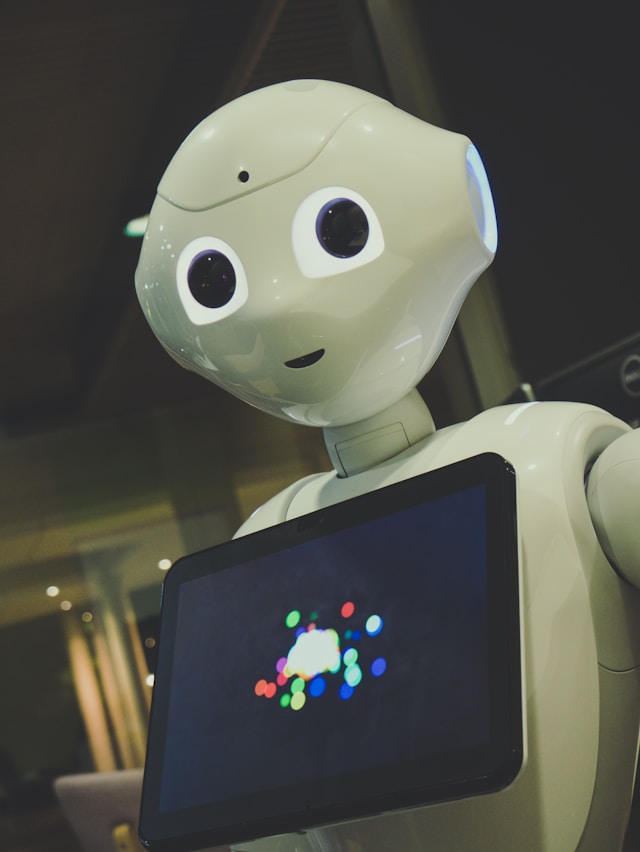
One of the most visible applications of AI in airports is the introduction of Airport Robot Assistant “greeting robots”. These friendly machines are designed to welcome passengers, provide directions, and answer basic inquiries. With their ability to understand multiple languages and their affable demeanor, greeting robots create a positive and welcoming atmosphere for travelers. Airport robot greeters entertain children during waits—see more family travel assistance options.
Airport Robotics & AI: The Future of Robots in Airports
AI has the potential to revolutionize airport operations in various ways. From streamlining security processes to optimizing baggage handling, AI technologies offer innovative solutions to enhance efficiency and improve the overall passenger experience. By leveraging data analytics and machine learning algorithms, airports can make informed decisions and adapt to changing circumstances in real-time.
How AI Can Transform Airport Management
Airport robots powered by AI transform airport management through robot assistance in check-in, baggage handling, and passenger flow optimization.
Self-Check-in & Baggage Drop Off: Efficiency at Your Fingertips
AI-based self-check-in kiosks and automated baggage drop-off systems have become increasingly common in airports worldwide. Passengers can now breeze through the check-in process, reducing waiting times and eliminating the need for extensive manual intervention. This not only improves efficiency but also allows airport staff to focus on more critical tasks.
Passenger Flow Management Systems: Smooth Sailing Through the Airport
Managing the flow of passengers is a complex task for airports, especially during peak hours. AI-powered systems can analyze real-time data from various sources, including security checkpoints and boarding gates, to optimize passenger flow. By identifying bottlenecks and suggesting alternative routes, these systems ensure a seamless journey for travelers.
Benefits of Airport Robots: How Robot Assistants Improve Airports
Enhanced Efficiency: Doing More with Less
AI technologies enable airports to streamline operations, automate repetitive tasks, and optimize resource allocation. This leads to increased efficiency and cost savings, allowing airports to handle higher passenger volumes without compromising service quality. Business travelers benefit from airport robots streamlining processes—combine with business travel tips for maximum productivity.
Improved Passenger Experience: Navigating the Airport Hassle-free
With AI-powered wayfinding systems, passengers can easily navigate through airports, locate facilities, and receive personalized recommendations. Whether it’s finding the nearest coffee shop or the quickest security checkpoint, Airport Robot Assistant enhances the passenger experience by reducing stress and providing tailored assistance.
Combine robot assistance technology with personalized airport concierge services for comprehensive travel support. Robot assistants are just one innovation making travel easier—explore more tips for hassle-free airport experiences.
Airport Robotics Challenges: Considerations for Robots in Airports
While Airport Robot Assistant presents numerous benefits, its implementation in airports also comes with challenges. Privacy concerns, data security, and the need for human oversight are some of the considerations that airport authorities must address. Striking the right balance between automation and human interaction is crucial to ensure a seamless and secure airport experience.
1- Privacy and Data Security
One of the primary concerns surrounding AI implementation in airports is the protection of passenger data and privacy. With the collection and analysis of vast amounts of personal information, airports must prioritize data security and comply with stringent privacy regulations. Safeguarding passenger data and ensuring transparency in data usage are crucial aspects that airport authorities must address to build trust and maintain passenger confidence.
2- Human Oversight and Collaboration
While AI offers automation and efficiency, human oversight and collaboration remain vital in airport operations. It is essential to strike the right balance between AI-driven automation and human interaction, especially in critical areas such as security and passenger assistance. Human personnel play a crucial role in decision-making, handling exceptional situations, and providing a level of empathy and understanding that AI cannot replicate.
3- Ethics and Bias
AI algorithms are only as good as the data they are trained on. It is essential to ensure that the data used to develop AI systems in airports is diverse, representative, and free from biases. Bias in AI algorithms can lead to discriminatory outcomes and unfair treatment of passengers based on factors such as race, gender, or nationality. Careful consideration and ongoing monitoring are required to prevent and mitigate any unintended biases in AI systems deployed in airports.
4- Integration and Scalability
Implementing AI technologies in airports requires careful planning and seamless integration with existing infrastructure and systems. Compatibility issues, technical challenges, and the need for scalability to accommodate increasing passenger volumes are considerations that airport authorities must address. A well-designed implementation strategy, along with robust testing and evaluation, is crucial to ensure the smooth transition and long-term success of AI integration in airports.
5- Public Perception and Acceptance
Introducing AI-powered robots and systems in airports may raise concerns among some passengers who are unfamiliar with the technology or have reservations about its impact on human jobs. Clear communication, public education, and a focus on highlighting the benefits of AI in enhancing safety, efficiency, and passenger experience are essential to gain public acceptance and support.
Future of Airport Robots: AI Navigation & Robotics Innovations
Leverage AI navigation robots for airports alongside these airport hacks for ultimate efficiency.
1- Smart Airports: A Connected Ecosystem
The future of AI in airports lies in the concept of smart airports, where various technologies, including AI, IoT, and Big Data, work together to create a connected ecosystem. From real-time flight updates to personalized services, smart airports will redefine the way passengers interact with airport facilities.
2- Biometrics and Facial Recognition
The use of biometrics, such as facial recognition, in airport processes is expected to become more widespread. From seamless check-ins to secure boarding procedures, biometric technologies offer convenience, speed, and enhanced security.
3- Predictive Analytics and Machine Learning
AI-powered predictive analytics and machine learning algorithms will enable airports to anticipate passenger behavior, optimize resource allocation, and proactively manage potential disruptions. This will lead to more efficient operations and improved passenger experiences.
4- Virtual Assistants and Voice Recognition
Virtual assistants equipped with natural language processing and voice recognition capabilities will become integral parts of the airport experience. Passengers will be able to interact with AI-powered virtual assistants for real-time information, personalized recommendations, and assistance throughout their journey.
5- Robotics and AI Collaboration: The Rise of Co-bots
As AI continues to evolve, the integration of Airport Robot Assistant will become more prevalent. Collaborative robots, or co-bots, will work alongside human staff, assisting with tasks such as cleaning, maintenance, and baggage handling. This collaboration between humans and AI-driven robots will optimize operational efficiency and improve service quality.
Read more about How Virtual Reality is Changing the Entertainment Scene at Airports. Future airport lounges will feature robot assistants for service—discover current airport lounge benefits.
Famous Airport Robots: Robot Assistants at Major Airports Worldwide
Just like human celebrities, some robots are famous, too! These robots have proven success in performing their assigned tasks and have become well-known worldwide, here are the top 4 on the list:
Nao of Tokyo’s Haneda Airport in Japan
Nao is a humanoid robot. It is connected to a digital flight information screen. Nao can have interactive conversations with passengers while answering their queries. Interestingly, Nao also communicates with airport staff via their smart watches to provide them with flight updates so they can assist travelers, as well.
Josie Pepper of Munich Airport in Germany
Pepper employs its artificial intelligence to greet passengers and connect them to the main terminal and shuttle areas. The robot can also generate personalized answers to passengers’ queries.
Spence of the Amsterdam-Schiphol Airport in the Netherlands
Spencer has one main objective at the airport, which is directing travelers from the terminal to their boarding gates and vice versa, smoothly and quickly, depending on the included scanning devices.
Anbot of Shenzhen Airport in China
Anbot is a police robot! It handles guarding patrols, facial recognition, and intelligence services. Anbot analyzes light and sound to detect criminals, it can also chase them at a speed of 18 KM/hour.
Will Airport Robots Replace Humans? The Future of Robot Assistance
Robots’ abilities are fascinating but mainly limited to performing simple tasks much quickly and efficiently. However, there is nothing complicated in the process. Here are some tasks that only humans can be fully trusted with:
- When it comes to airport procedures, complexities occur every day, whether in terms of documentation or customer service, such complexities can’t be handled by robots.
- We can all agree that robots can assist in airport security checks, but they can’t handle it completely because each security issue requires a specific behavior that only humans can wisely choose. According to a survey conducted by Travelzoo global company, 67% of travelers believe that the idea of robots handling airport security is risky and frightening.
- Last but not least, people will always need the friendliness and hospitability that only humans can offer to each other and no machine can ever master, no matter how advanced it gets.
While airport robots enhance self-service, premium travelers still value human touch through meet & greet services for personalized airport assistance.
FAQs
Is AI replacing human employees in airports?
A: No, AI is not meant to replace human employees but rather to enhance their capabilities and improve efficiency. AI technologies in airports aim to automate mundane tasks, allowing staff to focus on delivering excellent customer service and addressing more complex issues.
How does AI improve airport security?
A: AI enhances airport security by automating screening processes, utilizing biometrics for identity verification, and detecting suspicious behaviors through advanced video analytics. These technologies help identify potential threats more efficiently, ensuring a safer travel experience for passengers.
Will AI impact job opportunities in the airport industry?
A: While AI may redefine certain job roles within the airport industry, it also creates new opportunities for specialized skills. As AI technologies become more prevalent, there will be a growing demand for professionals in data analysis, AI system management, and human-AI collaboration.
Q: What are AI navigation robots for airports?
AI navigation robots for airports are autonomous airport robots that guide passengers through terminals using artificial intelligence, computer vision, and real-time mapping. These robots at airports help travelers:
- Find their gates, lounges, and amenities
- Navigate during tight connections
- Receive multi-language directions
- Access real-time flight information
Famous examples include Spencer at Amsterdam Schiphol, LG CLOi at Seoul Incheon, and Relay robots at San Francisco Airport. The robot assistance reduces passenger stress and helps airports manage flow efficiently.
Which airports use security robots?
Airport security robots are deployed at:
Anbot (China):
ROAMEO (USA):
- Multiple US regional airports
- Testing at major hubs
Knightscope K5 (USA):
- San Francisco International Airport
- Dallas Fort Worth International
- Various private terminals
These robots working on airport security perform autonomous patrol, facial recognition, threat detection, and real-time surveillance. Airport robotics for security is growing 35% annually as airports prioritize safety.
What do service robots do at airports?
Serving robots for airports perform multiple functions:
Cleaning & Maintenance:
- Autonomous floor scrubbers
- UV disinfection robots
- Trash collection
Passenger Services:
- Food and beverage delivery to gates
- Information and wayfinding assistance
- Lost & found coordination
- Multi-language customer support
Operations:
- Baggage handling assistance
- Retail delivery
- Hotel services
Notable robot assistants include Josie Pepper (Munich), NAO (Tokyo Haneda), and Relay delivery robots (San Jose). These airport robots handle repetitive tasks, allowing human staff to focus on complex customer needs.
How do robots at airports navigate crowded terminals?
Robots at airports navigate using:
Technology:
- LiDAR sensors for 360-degree awareness
- Computer vision for obstacle detection
- Real-time crowd density mapping
- AI pathfinding algorithms
Safety Features:
- Automatic stopping near passengers
- Slow speeds in crowded areas (3-5 km/h)
- Audible warnings before movement
- Human override capabilities
AI navigation robots for airports like Spencer and LG CLOi process thousands of data points per second to safely navigate while guiding passengers. The robot in airport environments must meet strict safety certifications before deployment.
Are airport robots safe for passengers?
Yes, airport robots are designed with multiple safety features:
Physical Safety:
- Low operating speeds (3-5 km/h in crowds)
- Automatic obstacle detection and stopping
- Soft bumpers and rounded edges
- Emergency stop buttons
Data Security:
- Encrypted passenger interactions
- GDPR/privacy law compliance
- Secure data transmission
- Regular security audits
Human Oversight:
- Remote monitoring by staff
- Manual override capabilities
- Regular maintenance and testing
- Incident response protocols
All robots working on airport operations must pass rigorous safety certifications. Airport security robots have additional protocols for handling sensitive situations.
Can airport robots speak multiple languages?
Yes, most robot assistants at airports support 20-50+ languages:
Examples:
- NAO (Tokyo Haneda): Japanese, English, Chinese, Korean
- Josie Pepper (Munich): German, English, French, Spanish
- Spencer (Amsterdam): Dutch, English, Chinese, Arabic, French
AI navigation robots for airports use natural language processing (NLP) to:
- Detect passenger’s language automatically
- Translate questions in real-time
- Respond in native language
- Display visual directions as backup
This makes robots at airports especially valuable in international terminals where language barriers are common.
What is the future of airport robotics?
The future of airport robotics includes:
Near-Term (2026-2028):
- Widespread AI navigation robots for airports at major hubs
- Expanded airport security robot deployment
- Autonomous baggage handling systems
- Increased serving robots for airports
Long-Term (2028-2030):
- Full airport automation integration
- Biometric-enabled robot interactions
- Predictive AI for passenger assistance
- Swarm robotics for coordinated operations
The global airport robots market is projected to reach $3 billion by 2030, with robots in airports becoming standard infrastructure. Expect humanoid robot assistants, autonomous vehicles for terminal transport, and seamless AI integration across all airport operations.
Read more about How Virtual Reality is Changing the Entertainment Scene at Airports
Note: Please note that the information on this page is generic & subject to change due to fluctuations in airport services. Kindly confirm service availability with our team, as offerings may vary daily.






 Dubai, United Arab Emirates


