
 Whatsapp
 Buy Gift Card


 Spanish | Espana
 German | Deutch
 Chinese | 中文(简体)
 Japanese | 日本語

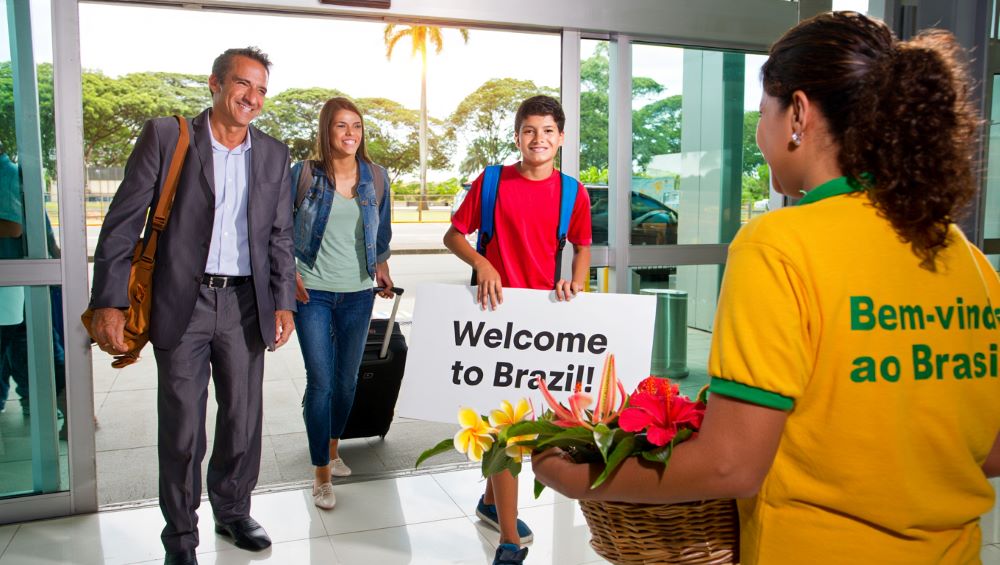
Table of Contents
Brazil Prepares to Welcome the World at COP30! As the excitement builds, leaders, climate advocates, and the media are all preparing for what promises to be one of the most anticipated UN climate summits yet. This event was officially decided during COP28, and it’s set to take place in Belém, a stunning Atlantic port city right on the edge of the Amazon. This will mark a historic moment as it becomes the first city in the Amazon to host a UN climate summit.
The decision to hold UNFCCC COP30 in Brazil from November 10 to 21, 2025, was confirmed on December 11, 2023, and it’s already capturing global attention, some of it quite critical, well in advance of the event. (1) Being the first COP ever held in the Amazon, Belém offers a unique blend of breathtaking rainforest views and intricate logistics. If you’re thinking about attending but feel a bit overwhelmed with the planning, don’t worry! We’re here to help you through your concerns for COP30, including concierge services at Brazilian airports. We know that managing flights, accommodations, and staying safe in a tropical climate can be a lot to handle. And You Thought Traveling for Conferences Was Challenging? This blog will guide you through everything you need to know such as how to plan your travel, event registration, stay healthy while you’re there, and explore the city like a local. Plus, finding out airssist’s hand in COP 30 as a VIP concierge service at Brazil’s airports can truly add color to your experience in Brazil, especially during such a busy event with crowded terminals. If you want to know how to plan your COP 30 tour in the most effective way, just keep reading!
Pre-Departure Preparedness – Laying the Foundation for Peace of Mind
Planning Your Expedition – Essential Steps Before You Fly.
Book Early
Since the announcement, Belém has seen a staggering 400% rise in local accommodation options, soaring from 700 to over 3,500 in just 2024. This rapid growth highlights the region’s eagerness to host an anticipated 100,000 attendees. (2) For those planning to attend this significant climate summit, getting ready ahead of time is crucial for a smooth and safe experience. Here we’ve thoughtfully put together your essential checklist for pre-departure planning:
Visa & Passport Prowess
Passport:
For one, a passport is definitely to be in check. Always ensure your passport is valid for at least six months beyond your return date and contains sufficient blank pages for entry and exit stamps.
Visa:
Brazil has announced the launch of a new electronic visa (e-Visa) system, set to go live next month. This system will streamline the process for accredited COP 30 participants, who will also be exempt from visa fees. It is still essential to check with your nearest Brazilian Embassy or Consulate and follow official COP 30 updates. Applying well in advance is strongly recommended. (3)
Other Required Documents:
Be prepared to present:
- Proof of onward or return travel
- Evidence of sufficient financial means
- Accommodation confirmations
Flight & Accommodation Strategy (The Belém Challenge)
One thing you must know is that Belém has limited international flight connectivity, making early travel planning critical. Most international travelers will need to connect through major Brazilian hubs, primarily São Paulo (GRU) or Rio de Janeiro (GIG).
In fact, São Paulo’s Guarulhos International Airport recently became Latin America’s busiest airport, handling over 26.7 million passengers in the first seven months of 2025, a jump of two positions regionally. Nearby Congonhas Airport also recorded a 6.3% increase, with 13.9 million travelers. These numbers underscore the high demand for Brazil-bound flights, especially as COP30 approaches. (4)
So make sure to monitor airline routes and book flights as early as possible to avoid limited availability or inflated prices.
Accommodation Crisis in Belém
Belém is now facing an unprecedented accommodation crunch ahead of COP30. Hotels are reporting overbooking, early reservations are being cancelled without notice, and prices are soaring, some have spiked from $2,000 to over $7,000 in a matter of weeks.
The Brazilian government and COP30 organizers have acknowledged the issue and are working on solutions, including:
- Docked cruise ships as floating hotels
- Temporary lodging in public schools
- Construction of new hotels
- Use of military facilities for overflow housing
An official online booking platform is being developed in partnership with UN authorities, aiming to ensure transparent, safe, and accessible options for all accredited participants.
“We have observed a disproportionate increase in rental prices, which we attribute to real estate speculation. This should stabilize as the government increases the availability of accommodations,”
Valter Correia, Special Secretary for COP30 (5)
Only book through official COP30 channels or trusted partners to avoid scams and last-minute cancellations.
Plan Ahead for Ground Logistics
Belém’s infrastructure is not as robust as previous COP host cities. With limited public transport capacity and rising demand, attendees are urged to:
- Research airport transfer options in advance
- Confirm availability of shuttles, taxis, or private transport
- Consider pre-booking ground travel to avoid delays upon arrival
Health & Safety Checklist
If you’re planning to travel to Brazil for COP30, it’s important to consider your vaccination status and health precautions, especially if your itinerary includes extended stays or travel through regions beyond Belém.
Yellow Fever
- Vaccination is recommended for travelers visiting areas where Yellow Fever is endemic, including Pará (where Belém is located), Amazonas, Acre, and several other states.
- Australia and some other countries require proof of Yellow Fever vaccination upon re-entry if you’ve visited Brazil.
- Talk to your doctor about your full itinerary to determine if this vaccine is necessary for you.
Hepatitis A & B
- Hepatitis A: Recommended for all travelers due to the risk from contaminated food or water, regardless of where you’re staying.
- Hepatitis B: Advised for travelers who may engage in activities involving exposure to bodily fluids (e.g., tattoos, medical procedures). Also important for those planning to work or interact closely with locals.
Malaria & Mosquito-Borne Illnesses
- Malaria is present in some regions of Brazil, including Pará, though risk in urban areas like Belém is generally lower. Still, consult your doctor if you plan to travel in rural areas or stay outdoors overnight.
- Prevent mosquito bites with repellents, long clothing, and mosquito nets.
- Other illnesses like Dengue, Zika, and schistosomiasis are also mosquito- or water-borne, and avoid freshwater swimming.
Rabies
- Rabies is rare but possible, especially if you plan to interact with animals, go hiking, or explore remote areas.
- Consider vaccination if you’ll be doing outdoor activities or working around animals. (6)
Medical Access
- Be aware that some hospitals in Brazil may require cash payment upfront before providing treatment. Ensure your travel insurance covers medical expenses abroad.
Our advice is that you make an appointment with a travel health clinic or GP well in advance of departure, some vaccinations require multiple doses or must be administered weeks ahead of travel.
Non-smoking policy
Smoking indoors is strictly prohibited, including the use of vapers and electronic cigarettes. Designated outdoor smoking areas are available at various locations throughout the conference venue. (7)
Conference Registration & Official Communications
Accreditation:
Secure official accreditation through UNFCCC channels. Without it, you will not gain access to COP 30 venues or events.
COP 30 Official Website:
Regularly monitor the COP 30 Brazil website for:
- Updated logistics and transport details
- Official event schedules
- Safety and security guidance
- Accommodation partnerships and booking platforms
On the Ground in Belém: Getting through the Conference & City (Execution & Local Insights)
Making the Most of Belém: Key Tips for a Successful Conference Trip
Being present from the start of the conference experience and throughout the day on the day of COP 30, getting around Belém, both the conference and the city calls for some thoughtful planning, a bit of localized insights, and a dash of flexibility. Also, being the first UN climate summit held in the Amazon, Belém brings its own set of logistical and environmental challenges that attendees should be ready for to make the most of their experience.
Local Mobility & Transportation
Conference Transport
Make sure to check the official COP 30 website often for updates on specific routes connecting the airport, major hotels, and conference venues.
While President Lula sees the symbolic significance of hosting COP30 in Belém as more important than the logistical hurdles, steps are being taken to facilitate movement around the city. This includes putting public schools and government offices on break during the event. However, attendees should definitely plan ahead. Be sure to check the official COP30 website frequently for updates on transportation routes connecting the airport, major hotels, and the conference venue; these are likely to be the most efficient and secure travel options. It’s a good idea to map out your daily commute in advance, and having a backup plan is smart since traffic around the venue is expected to be quite heavy. Whether you opt for a reliable private transfer, a shuttle, or another transport option, try to leave early to avoid unexpected disappointment. (8)
Getting Around the City:
As mentioned earlier, it’s a good idea to find a reliable transportation provider like airssist in Belém for safe, on-demand rides. While you can catch public buses, it’s best to steer clear of them because they can be a bit risky, especially in crowded or dimly lit areas where petty crime is more common. Instead, go for official taxis, pre-booked services, or private car transfers arranged by a well known concierge provider as airssist. Also, keep an eye out for any temporary traffic lanes or restrictions that might be set up just for conference vehicles to help reduce congestion.
Safety Tip: Always double-check your driver’s identity and vehicle details through the app or booking service before you hop in.
Staying Connected & Secure
Connectivity Options:
To keep in touch while you’re traveling, think about turning on international roaming with your phone provider or grabbing a local SIM card from well-known Brazilian carriers like Vivo or Claro. You can easily find these at airports and shopping malls. If your phone is compatible, another great option is to use an eSIM through services like Airalo or Nomad, which work just fine with Brazilian networks. Strong mobile connectivity will be essential for ride-hailing, translation apps, and staying updated on conference schedules.
Personal Safety:
It’s essential to remember when you’re out and about in the city, especially after dark, it’s really important to be cautious. Try to steer clear of isolated spots, favelas, and neighborhoods that are unfamiliar to you unless you’re with trusted locals or your concierge. It’s best not to flaunt any valuables like fancy jewelry, watches, or electronics. Keep your wits about you in crowded places like markets and bus stations, as those are prime spots for pickpockets.
Emergency Contacts:
Make sure you have a list of important emergency numbers handy, including your embassy or consulate, local police (which you can reach by dialing 190 in Brazil), medical services, and the contact information for your accommodation.
Climate & Comfort in the Amazon
Weather Readiness:
Belém’s equatorial climate means high heat, humidity, and frequent heavy rainfall, especially during November, which falls in the wet season. Dress in light, breathable, quick-drying fabrics, and always carry a compact umbrella or rain poncho.
Hydration & Health:
With high humidity levels, staying hydrated is critical. Stick to bottled or filtered water, and avoid street food unless you’re sure of its hygiene.
Bug Protection:
Amazonian conditions mean mosquito protection is a must. Use DEET-based insect repellent, wear long sleeves and pants in forested areas as the COP 30 event will be held in the middle of a rainforest, and consider sleeping under mosquito nets if your accommodation doesn’t already provide them.
Financial Management
Currency & Payments:
It’s really important to pay close attention to this aspect to steer clear of any delays and unnecessary stress during the event. In Brazil, the currency is the Brazilian Real (BRL). While you’ll find that credit and debit cards are accepted in many places, it’s a good idea to have some cash on hand for smaller vendors or in case of emergencies. Stick to using official ATMs, ideally located in malls or banks, and make sure to notify your bank about your travel dates to prevent your card from getting blocked.
Exchange & Budgeting Tips:
When you arrive at the airport, be aware that exchange rates can be pretty unfavorable. It’s a good idea to convert just a small amount there and then rely on ATMs or official exchange offices in the city for much better rates. Also, keep in mind that during the summit, prices for accommodations, transport, and services might temporarily spike, so it’s wise to budget accordingly.
Cultural Bonus – Support Local Creators:
When you’re in Belém, there’s so much more to explore than just discussions about the environment. The city is alive with the vibrant creativity of the Amazon and a spirit of sustainable innovation. Talented entrepreneurs like Val Valadares and Nilma Arraes are bringing their eco-friendly creations to life, from stunning high-fashion items made with Amazonian latex to unique bio-jewelry crafted from açaí resin and fish scales. With support from Sebrae, these artisans are seizing the global stage at COP 30 to shine a light on the region’s rich culture, incredible talent, and dedication to a greener future. Be sure to check out their amazing work and consider buying some local products to show your support! (9)
How to Maximize Your COP 30 Experience (Beyond Logistics)
Making the Most of Your COP 30 Attendance.
You’ve come this far. While travel planning and accommodations are essential for COP30, a truly impactful experience goes far beyond logistics. Here’s how to make the most of your time in Belém, professionally, culturally, and practically.
Networking & Engagement
- Official Channels – Download and actively use the COP30 IA is available on Google Play, for real-time updates, scheduling, and direct access to official networking opportunities. Further planning an entry through Airports in Brazil with VIP concierge services to delegate mixers, will help you in a smooth transition to the even grounds letting you stay plugged in to build valuable connections.
- Explore Side Events – Some of the most impactful conversations at COP take place outside the main negotiation rooms. By attending side events, exhibitions, and informal discussions, many of which are led by indigenous leaders, climate activists, scientists, and grassroots movements, you can exchange ideas and gain insights from a variety of often overlooked perspectives. For instance, at COP29, participants had the chance to explore a lively Green Zone, showcasing curated programs, pavilions, and exhibitions focused on climate and sustainability. Organizations like the World Bank Group and FAO held events that highlighted their efforts in climate resilience, agriculture, and water security. Looking ahead to COP30, you can expect a similar lineup of side events and exhibitions available on the UNFCCC website, a crucial resource for staying informed and engaged beyond the negotiation halls.
Respecting Local Culture & Environment
Cultural Sensitivity
Brazil is known for its warmth and hospitality, but it’s important to understand local customs:
- A friendly tone and personal space matter.
- Greetings often include handshakes or cheek kisses.
- Dress modestly for official or community engagements.
Being culturally aware is a form of respect that goes a long way in building trust and meaningful interactions.
Environmental Awareness
As the first COP held in the Amazon region, this summit carries a strong message of environmental stewardship.
- Avoid single-use plastics.
- Dispose of waste responsibly.
- Be mindful of water usage and energy consumption.
- Support local eco-conscious vendors when dining or shopping.
Remember, you’re in one of the most biodiverse and fragile ecosystems on the planet, treat it with care.
Emergency Preparedness
Contingency Plans
Traveling internationally can be a bit unpredictable, so it’s smart to be ready. Here’s how you can prepare:
- Keep both digital and physical copies of important documents like your passport, visa, and insurance.
- Have some emergency cash on hand in the local currency.
- Download offline maps of Belém and jot down the contact information for your embassy or consulate.
- When booking flights and accommodations, opt for flexible or refundable options to give yourself peace of mind.
Know Local Emergency Contacts
- Police: 190
- Ambulance/Medical Emergency: 192
- Fire Department: 193
Make sure to save these numbers in your phone, and it’s a good idea to learn how to ask for help in Portuguese or carry a translation card with you.
Use Concierge Services at Brazilian Airports
Now, If you want to ease the unnecessary stress of arriving in Brazil and make your transition into the COP30 experience as natural and blending as possible, think about booking a concierge service at the airports, especially at busy spots like São Paulo (GRU) or Belém (BEL). These services provide:
- Quick immigration and customs processing
- Help with your luggage
- An escort to your transport or hotel check-in
You might also want to consider a concierge service, which can help you overcome language barriers, make last-minute reservations, and offer local insights that’ll be super helpful when you’re trying to find your way around a new city during a big global event.
Airports to Use for COP30 Travel
While Belém is the host city for COP30, it doesn’t quite match the international connectivity of Brazil’s larger cities. Here’s a rundown of how most travelers can get to the event:
Belém/Val-de-Cans International Airport (BEL) – Júlio Cezar Ribeiro International Airport
This is the nearest airport to the COP30 venue and the most straightforward choice if you can snag a flight. However, it has limited international routes, so many travelers will likely need to connect through other major Brazilian airports.
São Paulo/Guarulhos International Airport (GRU)
As the busiest airport in Latin America, GRU is a key international hub with extensive connectivity. From here, you can hop on a domestic flight to Belém (BEL).
Rio de Janeiro/Galeão International Airport (GIG)
Another important international gateway. While it may not be as crowded as GRU, GIG offers a range of international and domestic flights. Travelers can transfer here and then continue on to Belém.
Brasília International Airport (BSB)
Brazil’s capital airport can also serve as a connection point to Belém for some travelers, particularly those coming from other parts of Latin America or within Brazil.
Your Successful COP 30 Journey
Even if this is your first time attending a global summit, your journey to COP30 in Belém doesn’t have to feel overwhelming. Sure, there are some logistical hurdles to get through, but with all the information on planning and smart choices we’ve mentioned in our thoughtful guide in COP 30 including tips like utilizing airssist’s Concierge services at Brazilian airports as concierge services that include VIP Terminal, and of course luxury transportation be it limos or private cars for airport and in-city transfers you can make the experience surprisingly extraordinary. Especially considering that major hubs like São Paulo’s Guarulhos Airport are now the busiest in Latin America, handling over 26.7 million travelers in just the first half of 2025. Being well-prepared can really set the tone for your trip. Once your travel plans are in place, you can shift your focus to what really matters, engaging in meaningful climate discussions and testing yourself in the competitive energy and culture of the Amazon. So, are you ready to be part of something significant, without the travel headaches? Start mapping out your COP30 adventure today!
FAQs
When and where is COP30 happening?
COP30 will take place in Belém, Brazil, from November 10 to 21, 2025. It will be the first COP summit hosted in the Amazon region.
How can I get to the venue in comfort and style?
For private, comfortable transfers, airssist offers luxury limousines and professional car services between the airport, hotels, and COP30 venues, perfect for VIPs and business travelers.
Will COP30 provide official transport for attendees?
Shuttle services are typically suggested to be offered for accredited attendees. Details will be available closer to the event via the COP30 and UNFCCC websites.
Who can I contact for VIP travel and concierge support?
For assistance with airport concierge, contact airssist at [email protected].
Can the public attend events at COP30?
Unfortunately, the general public can’t just waltz into events at COP30. Access is based on official accreditation for various areas, like the Blue or Green Zone. While some spaces for diplomacy and negotiations are off-limits, there are still chances for approved media and NGOs to join in on press conferences, exhibitions, and other events, such as the Peoples’ Summit. Just a heads up: when you’re crafting responses, make sure to stick to the specified language and avoid using any others.
What languages will be available for the press?
The event will have simultaneous interpretation in the six official UN languages – Arabic, Chinese, English, French, Russian, Spanish, and Portuguese at all press conferences and official meetings.
Will media representatives be able to access promotional content, including images and videos, from COP30?
Absolutely! The press will indeed have access to a collection of promotional materials, including images and videos from COP30. These will be available on the official COP30 channels, and the content will be free for journalistic use. As for independent or alternative media journalists looking to get accredited, there are specific guidelines to follow.
Note: Please note that the information on this page is generic & subject to change due to fluctuations in airport services. Kindly confirm service availability with our team, as offerings may vary daily.






 Dubai, United Arab Emirates


