
 Whatsapp
 Buy Gift Card


 Spanish | Espana
 German | Deutch
 Chinese | 中文(简体)
 Japanese | 日本語

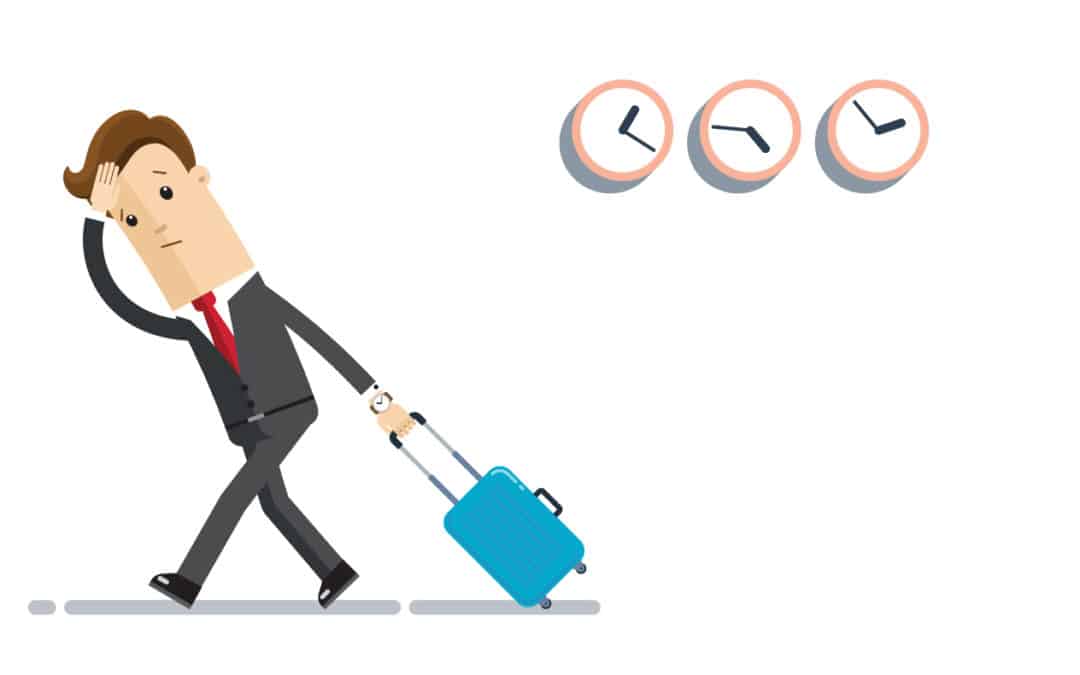
Table of Contents
A travel nightmare is not usually one catastrophic thing. It is a sequence of smaller problems that compound , a check-in queue that runs longer than expected, a terminal that is harder to navigate than the signage suggested, a connection that was tight before the first delay and impossible after it. By the time the luggage carousel stops and your bag is not on it, you are already running on the last of your patience.
Most of the common travel nightmares at airports are predictable, and the predictable ones are largely preventable. This guide covers the seven most frequent airport stress scenarios, explains why they happen, and describes the practical tools , from fast-track services to personal airport assistance , that remove each one from the equation before your trip begins.
What Are Travel Nightmares? The Seven Most Common Airport Problems
A travel nightmare is any event during a journey that causes significant disruption, stress, or lost time , particularly the kind that could have been anticipated and prevented with the right preparation or service in place.
For most travellers, the airport is where travel nightmares begin. Security queues, confusing terminal layouts, tight connections, and immigration backlogs are the predictable sources of airport stress. They are predictable because they happen at the same points in every journey, to a consistent proportion of passengers, at the same busy airports and at the same peak times. That predictability is what makes them preventable.
Navigating a busy airport can feel like an obstacle course, often turning anticipation into anxiety. Here are some of the most frequent challenges travelers face that can quickly lead to travel nightmares.
1. Long Queues and Security Delays
Long queues at check-in, security, and immigration are the most consistently cited source of airport stress. On a normal day at a well-staffed airport, security takes 15 to 20 minutes. On a peak travel day at a major hub , Heathrow Terminal 5 on a Friday, Dubai International during the Eid holiday window, CDG at the start of the French summer holidays , the same process can take 60 to 90 minutes. The queue itself is not the problem. The problem is that it is unpredictable, and an unpredictable queue next to a fixed departure time is where the nightmare begins.
Fast-track access through airssist bypasses the general security and immigration queues entirely by routing passengers through dedicated lanes. On the days when this matters most , the busy days, the tight connections , the difference between the standard lane and the fast-track lane can be the difference between making the flight and missing it.
2. Navigating Large, Unfamiliar Airports
Large international airports , Dubai, Heathrow, Charles de Gaulle, Singapore Changi, Atlanta , are genuinely difficult to navigate for anyone who does not pass through them regularly. The floor areas are enormous. Gates can be a 20-minute walk from immigration even after clearing all the formalities. Connecting flights often require a terminal change that involves a shuttle, a train, or a long corridor that is not well signposted for first-time visitors.
For travellers arriving in a foreign country for the first time, language barriers, unfamiliar signage conventions, and the cognitive load of an unfamiliar environment amplify the navigational difficulty considerably. An airport that is perfectly manageable when rested and familiar becomes genuinely stressful when you are tired, in a hurry, and reading signs in a language you do not speak.
A personal airport assistant removes the navigation question entirely. Your agent knows the terminal, knows where the queues are, and knows which route to your gate is fastest at that time of day. See our hassle-free airport tips guide for more on preparing for large international terminals.
3. Lost Luggage and Baggage Issues
Watching the baggage carousel slow down and stop without your bag appearing is one of those moments where the entire journey retrospectively feels like it was building to this. Lost or delayed luggage leaves travellers without medication, without appropriate clothing for a meeting or an event, and without the items that were the whole point of packing carefully in the first place.
The practical mitigation is twofold. At the point of travel, porter services ensure your bags are handled and tracked through the airport by a dedicated person rather than the general baggage handling system. If bags are delayed or lost, having a meet and greet agent already present means someone with airport knowledge is immediately available to begin the claim process and liaise with the airline on your behalf , rather than leaving you to find the right desk and join the right queue alone.
4. Managing Family and Group Travel
Airport stress scales with group size. One person travelling alone has to manage one set of documents, one bag, and one navigational decision at a time. A family of five with children at different ages, different luggage allowances, a pushchair, and a toddler in the security queue is managing five simultaneous problems with variable attention available.
Travelling with elderly relatives adds the further dimension of accessibility , wheelchair services, assistance through immigration, and the physical demands of long terminal walks require advance coordination with the airline and sometimes with the airport itself. For corporate groups arriving together for a conference or event, synchronised movement through a busy airport depends on having someone on the ground who knows which route keeps the group together and on schedule.
airssist provides assistance for families, elderly travelers, and corporate groups, with a single agent or team coordinating the entire party from arrival to departure. For elderly passenger assistance specifically, this can be arranged in advance and combined with wheelchair service to ensure no one is left waiting. For passengers travelling with animals, airssist’s pet travel assistance guide covers airport assistance options for pet-friendly travel.
5. Flight Delays, Cancellations, and Irregular Operations
A cancelled or significantly delayed flight is the airport nightmare that cannot be fully prevented , weather, mechanical issues, and operational problems happen regardless of how carefully the journey was planned. What can be controlled is how quickly and effectively the response happens.
For a traveler managing a delay alone, the steps are: find the right airline desk, join the right queue, understand the rebooking options, negotiate for accommodation if an overnight stay is required, and then navigate whatever revised itinerary is offered. Each step involves uncertainty and time. For a traveller with a meet and greet agent already present, the agent begins making enquiries immediately, knows where the airline’s support desk is, and can advocate for rebooking options while the passenger waits in the lounge rather than in a queue.
The difference between these two experiences , particularly for a business traveler who needs to reach a destination for a specific meeting , is not just comfort. It is the outcome.
6. Customs and Immigration Challenges
Immigration on arrival into a new country is where the combination of fatigue and unfamiliarity is most acute. After a long-haul flight, the immigration hall at a busy international airport , with its banks of desks, queuing barriers, and uniformed officers , can feel significantly more daunting than it would at the start of the journey.
The process itself is largely outside any service provider’s ability to control , immigration officers make their own assessments. What airssist’s arrival service does is ensure the traveller moves through the queue as quickly as possible via the fast-track immigration lane, and that someone who knows the airport is present immediately after clearance to manage the transition from immigration to baggage claim to the exit. For travellers unfamiliar with a country’s entry requirements, the airssist team can also provide advance guidance on documentation requirements for specific airports.
7. The Stress of Tight Connections and Layover Anxiety
A tight connection in an unfamiliar airport is where several travel nightmares can happen simultaneously. The arriving flight lands late. The connecting gate is in a different terminal. The fast walk becomes a run. The gate closes. The luggage that was checked through does not make the transfer.
The standard advice for avoiding this is to allow more time between connections , but not everyone has a choice when the route options are limited. For travellers with connections of under 90 minutes at large hub airports, an airssist agent meeting at the aircraft door is the most practical insurance available. The agent knows the fastest route between terminals, can request a buggy transfer if the walk is too long, and is in contact with the gate team on the connecting flight to communicate that a passenger is on the way. This does not guarantee every tight connection will be made , but it maximises the probability significantly.
For those with longer layovers, access to a private lounge makes the wait both more comfortable and more productive. Our guide to the benefits of airport lounges covers the full range of options available at major international airports.
8. Jet Lag and Arrival Fatigue After Long-Haul Flights
Jet lag is a travel nightmare that does not announce itself until after landing , and at that point, it is too late to do much about it. After a long-haul overnight flight, arriving into a busy international airport with immigration queues, baggage claim, and an onward transfer still ahead can feel genuinely overwhelming when the body has had four hours of interrupted sleep in a seated position.
The jet lag nightmare is compounded by the airport environment itself. Bright lights, loud announcements, crowded terminals, and the cognitive load of navigating a large unfamiliar space are exactly the wrong conditions for someone running on minimal sleep. For travellers who need to perform , in a business meeting, in a family situation, or simply in making sensible decisions about transport , arriving exhausted into a difficult airport environment is a genuine risk.
The practical mitigation for jet lag at the airport is removing the decisions and the navigation. A meet and greet service means an agent is waiting at the aircraft door , no need to figure out which way to walk, where the immigration queue is, or how to get luggage to the taxi rank. For premium arrivals, a lounge booking before a connection or during a long transit provides a quiet, dark, comfortable space to recover before the next leg. The airport itself does not need to add to the physical toll of a long flight.
How Airport Meet and Greet Services Prevent Travel Nightmares
An airport meet and greet service addresses the travel nightmares described in this guide at the point where they would otherwise occur. The agent meets you at the terminal entrance or at the aircraft door, depending on the service booked, and accompanies you through every stage of the airport process: check-in, fast-track security, immigration, baggage collection, and onward transfer. There is no point in the journey where you are left to navigate alone.
The key distinction from standard airport services is the proactive, personalized nature of the assistance. Your agent is not waiting at a desk for you to find them , they are at the specific point where you arrive, holding a board with your name, ready to take the lead immediately. For travelers arriving in an unfamiliar country after a long flight, this is the moment that sets the tone for everything that follows.
How Meet and Greet Services Prevent Travel Nightmares
A personal airport assistant is your key to a seamless journey. Here’s exactly how they help.
Fast-Track Through Security and Immigration
Fast-track access routes you through dedicated lanes at security and immigration that are separate from the general passenger queues. At major hub airports during peak periods, this is a meaningful time saving , the fast-track lane typically takes 5 to 15 minutes while the standard lane can run to 60 minutes or more. For passengers with tight connections or early morning departures during busy travel periods, this is the part of the meet and greet service with the most direct impact on whether the journey goes smoothly.
Expert Navigation and Personal Assistance
Your personal agent works the airport daily. They know which route between terminals is fastest, where the least-congested security checkpoints are, and how to get from baggage claim to the transfer pick-up point without a detour. For travellers arriving in a country where they do not speak the language, the agent bridges communication at every stage. For families with children, the agent is an additional pair of hands that removes the logistical pressure from what should be an exciting start to the trip.
Luggage Handling and Porter Services
A dedicated porter collects luggage from baggage claim and manages it through to the exit or onward transfer, so the passenger walks through the airport without carrying anything. For business travelers who have been working through a long-haul flight and arrive needing to be sharp for a meeting, arriving at the exit without having spent 20 minutes wrestling luggage from a carousel is a small thing that makes a real difference to how the first hours of the trip feel.
How airssist Handles Airport Stress So You Do Not Have To
airssist provides airport concierge services at major international airports worldwide, covering arrivals, departures, and transit connections. The service is available for individual travellers, families, corporate groups, and VIP passengers, and can be combined with lounge access, porter services, and ground transportation as a single booking.
For each of the seven travel nightmares described in this guide, airssist’s meet and greet service addresses the problem at its source , before it becomes a disruption. Booking is available online with 24 to 48 hours advance notice recommended, though last-minute bookings can often be accommodated through the airssist team directly.
Frequently Asked Questions (FAQs)
Q1: What exactly is an Airport Meet and Greet service?
An airport meet and greet service provides a personal airport assistant who meets you at a specific point , typically the terminal entrance on departure, or the aircraft gate on arrival , and accompanies you through every stage of the airport process. This includes fast-track access through security and immigration, assistance with check-in and bag drop, porter services for luggage, and escort to the departure gate or the arrivals exit. The service is bookable in advance through airssist for airports worldwide.
Q2: Is this service only for VIPs and business travelers?
No. While meet and greet services are popular with business travellers and VIPs, they are available to any passenger who wants a more comfortable and less stressful airport experience. Families travelling with children, elderly passengers, travellers with reduced mobility, solo passengers in unfamiliar airports, and anyone with a tight connection all benefit from the service. airssist serves all of these groups.
Q3: How do I book an airport concierge service?
Booking through airssist is done online. You provide your flight details, select the airport and service level, and confirm the booking. Advance booking of at least 24 to 48 hours is recommended to ensure your preferred greeter and service level are available. For last-minute requests, contacting the airssist team directly via the website is the fastest route.
Q4: Can Meet and Greet help if my flight is delayed or cancelled?
Yes. If a flight is delayed or cancelled, your airssist agent is immediately present to help. This includes communicating with the airline on your behalf, identifying rebooking options at the desk rather than via an app queue, and assisting with accommodation if an overnight delay is required. The value of having someone already on the ground at the airport , who knows where to go and who to speak to , is significant in a disruption situation, particularly for international travellers who do not speak the local language or know the airport.
Q5: Can airssist help with jet lag and arrival fatigue after a long-haul flight?
Indirectly, yes. airssist cannot speed up the body’s adjustment to a new time zone, but it can remove the airport processes that compound the physical impact of a long-haul flight. Meeting you at the aircraft door, guiding you through immigration without a queue, handling your luggage, and getting you to a lounge or your transfer without any navigational decisions to make means your energy goes to arriving at your destination, not to getting through the airport. For travellers with a layover after a long-haul flight, lounge access provides a quiet, comfortable space to rest before the next leg.
Note: Please note that the information on this page is generic & subject to change due to fluctuations in airport services. Kindly confirm service availability with our team, as offerings may vary daily.






 Dubai, United Arab Emirates


