
 Whatsapp
 Buy Gift Card


 Spanish | Espana
 German | Deutch

 Chinese | 中文(简体)
 Japanese | 日本語



How can I reduce stress when traveling frequently for business?
You can reduce travel stress by identifying the parts of the journey that cause it, removing or outsourcing the ones you can, and building a repeatable routine for the rest. Frequent business travelers face the same pressure points again and again: queues, baggage, tight connections, unfamiliar airports and transfers. A few consistent habits and the right support make them manageable.

Start with planning. Choose flights and connections that give you realistic time, pack in the same way each trip and keep your documents in one place. Use the airline app and set alerts, so you hear about gate changes and delays immediately.
Then reduce friction at the airport. Fast-track, a personal agent and a pre-booked chauffeur take away several of the most stressful tasks. A lounge gives you somewhere calm to work or rest before the flight. For frequent travelers, these services are not luxuries but tools that protect energy and productivity.
Finally, protect your health and your time. Sleep when possible, drink water, move around and avoid unnecessary rushing. airssist lets you book airport services at airports worldwide through one platform, which is helpful when your trips cover many countries.
Stress is also cumulative. A single difficult airport experience may be manageable, but repeated ones add up over months of travel. That is why small, consistent improvements to your routine matter more than a single heroic effort.
Which airport stress points can be outsourced?
Many of the most stressful moments in an airport are practical tasks that someone else can handle.
- Queues: Fast-track and priority lanes, where available, shorten waiting time at security and immigration.
- Navigation: An agent who knows the airport takes you where you need to go, which matters in large hubs.
- Baggage: Porters and agents can look after bags at check-in, on arrival and between terminals.
- Connections: A transit escort helps with tight transfers and terminal changes.
- Transport: A pre-booked chauffeur removes the uncertainty of finding a taxi.
- Waiting: A private lounge offers quiet, food and workspace instead of a crowded gate.
- Formalities: Guidance with forms, visa counters and arrival procedures reduces confusion.
- Special situations: Help with children, older relatives or heavy luggage can be arranged in advance.
You do not need to outsource everything. Choose the parts that cost you the most time or energy. A traveler who dislikes immigration queues might book fast-track on arrival, while someone who works in the lounge may prioritize lounge access on departure. Over time, notice which parts of the trip leave you most drained, and use services to fix those first. A small change can improve every future trip.
Think about what stresses you personally. Some travelers dread queues, others worry about missing connections, and others find unfamiliar transport the hardest part. Knowing your own pattern helps you choose the right support.
How do frequent travelers build a repeatable airport routine?
A routine turns decisions into habits, which saves mental energy. Here is a simple way to build one.
First, choose your preferred services for the airports you use most. If you pass through the same hubs, decide which meet and greet, lounge or chauffeur works best, and use it every time.
Second, standardize your packing and documents. Keep your passport, visas, chargers and travel essentials in a set place, and use a checklist for each trip.
Third, set a timetable. Decide how early you arrive for domestic and international flights, how long you allow for connections and how much buffer you need before a meeting.
Fourth, use technology. Store your frequent flyer numbers, saved addresses and traveler details in your booking accounts, so each reservation takes minutes.
Fifth, plan your downtime. Use lounge time to work, rest or prepare, and decide in advance how you will use long flights.
Sixth, review and adjust. After each trip, note what worked and what did not. Over a few trips, patterns emerge, and you can fix recurring problems.
If you manage travel for others, share the routine with assistants and coordinators, so everyone follows the same steps. Consistency reduces mistakes and gives frequent travelers more control over their schedule.
Keep a short note after each trip listing one thing that went well and one that did not. Within a few months you will see which airports, flights and routines work best for you, and you can make decisions based on evidence, not memory.
How can airssist support my regular business travel?
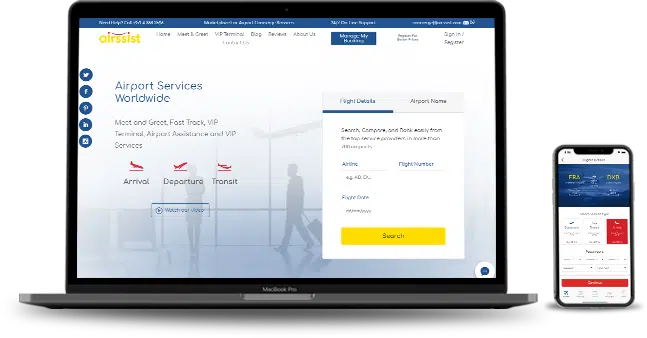
airssist helps frequent travelers by bringing airport concierge services at airports worldwide into one platform. Search your airport, compare meet and greet, fast-track, lounge, VIP terminal and chauffeur options, and book in minutes, including at short notice through the mobile app.
Corporate teams can register an account and ask about corporate rates. Our team is available 24/7 in most locations.
Email [email protected] or call +971 4 456 1940 to make your next trip easier.
Travel agents and coordinators can use the same approach for their clients.
People also ask about "frequent business travel"
How do frequent flyers stay productive?
They use routines, a quiet lounge, fast-track and chauffeur services to reduce friction and protect time.
How can I make airports less stressful?
Plan ahead, outsource queues and transfers, and use a lounge to rest or work.
Is airport concierge worth it for frequent travelers?
It often is, because it protects time and energy on trips that repeat often.
How do I avoid burnout from business travel?
Build routines, sleep when possible, and reduce avoidable airport stress.
What should be in a business travel checklist?
Passport and visas, tickets, chargers, essentials and a plan for airport transfers.




 2009, JBC5, Cluster W, Jumeirah Lakes Towers Dubai UAE


