
 Whatsapp
 Buy Gift Card


 Spanish | Espana
 German | Deutch
 Chinese | 中文(简体)
 Japanese | 日本語

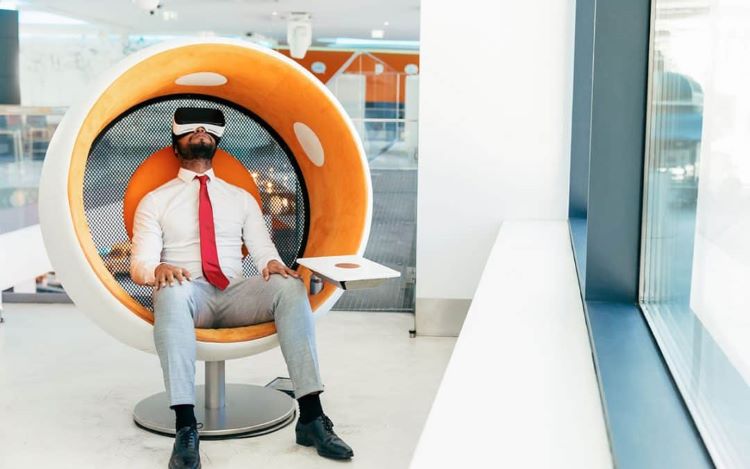
Table of Contents
Are virtual tours available for airport lounges? Yes! VR airport experiences and augmented reality at airports are revolutionizing passenger entertainment in 2026. From virtual reality at airport lounges offering immersive virtual tours to AR/VR navigation systems, airport VR and augmented reality technologies transform waiting time into engaging experiences. This guide explores virtual airport innovations, airport augmented reality applications, and how VR at airports provides passenger entertainment through immersive technology. Discover how virtual and augmented reality create unforgettable airport experiences at modern terminals worldwide.
What is Augmented Reality at Airports? AR vs. VR Airport Technology
Augmented reality at airports (AR) and virtual reality at airport lounges (VR) are transforming passenger experiences through immersive technology. Here’s how airport augmented reality and VR airport systems differ:
In recent years, the aviation industry has witnessed the emergence of groundbreaking technologies that aim to enhance the passenger experience. One such technology that is transforming the way we travel is augmented reality (AR). Augmented reality refers to the integration of digital information and virtual elements into the real-world environment, providing users with an immersive and interactive experience.
When it comes to airports, augmented reality has the potential to revolutionize various aspects of the passenger journey. From navigation and entertainment to personalized services and safety procedures, AR is reshaping the way passengers interact with airport environments.
Business travelers can leverage AR airport navigation alongside proven business travel tips for maximum efficiency.
Are Virtual Tours Available for Airport Lounges? VR Lounge Access Guide
Yes, virtual tours are available for airport lounges! Many modern airports now offer VR airport lounge experiences that let you:
Virtual Tour Options at Airport Lounges:
1. Pre-Arrival Virtual Tours: Before booking lounge access, many premium lounges offer virtual tours through:
- Website VR experiences (360° lounge views)
- Mobile apps with augmented reality previews
- YouTube VR walkthroughs of lounge facilities
2. In-Lounge VR Entertainment: Inside airport VR lounges, passengers can access:
- VR headsets for gaming and entertainment
- Virtual destination previews (explore your arrival city)
- Immersive relaxation experiences (virtual beaches, meditation)
- Virtual shopping for duty-free browsing
3. Virtual Reality Airport Lounge Experiences: Premium terminals now feature dedicated VR airport zones offering:
- Full VR gaming stations
- Virtual travel experiences
- AR navigation to help locate lounge amenities
- Interactive entertainment while waiting
How to Access VR Airport Lounge Experiences:
Option 1: Premium Lounge Memberships
- Priority Pass (600+ lounges with VR amenities)
- LoungeKey network
- Airline-specific lounge programs
Option 2: Credit Card Benefits Many premium travel credit cards include:
- Complimentary lounge access
- VR entertainment access
- AR navigation apps
Option 3: Day Passes
- Purchase single-visit passes ($50-80)
- Book through airssist for guaranteed VR lounge access
- Reserve in advance during peak travel times
Option 4: Business/First Class Tickets Automatically includes access to lounges with virtual reality at airport facilities.
Learn more about benefits of airport lounges beyond VR entertainment.
VR Airport vs. Virtual Airport: Understanding the Difference
Travelers searching for “VR airport” or “virtual airport” are looking for different experiences. Here’s the distinction:
VR Airport (Virtual Reality at Airports):
VR airport refers to physical airports offering virtual reality experiences:
- VR entertainment zones in terminals
- Virtual reality headsets in airport lounges
- Immersive gaming and relaxation experiences
- Virtual destination previews before arrival
Top VR Airport Locations Worldwide:
- Incheon International Airport (ICR), Seoul – VR gaming zones, virtual tour kiosks
- Dubai International Airport (DXB) – VR lounges with immersive entertainment
- Tokyo Haneda Airport (HND) – VR experiences showcasing Japan
- Singapore Changi Airport (SIN) – Virtual reality entertainment gardens
- London Heathrow (LHR) – VR preview experiences for destinations
Virtual Airport (Simulated Airport Environments):
Virtual airport typically means:
- Flight simulation games and training
- Virtual airport tours for planning purposes
- Online airport navigation practice
- Architectural VR models for airport design
Aviation Market in AR/VR:
The aviation market in AR/VR is projected to reach $2.5 billion by 2028, driven by:
- Enhanced passenger entertainment demand
- Navigation and wayfinding improvements
- Pilot and staff training applications
- Airport operational efficiency tools
For passengers, the most common AR/VR aviation market applications include entertainment, navigation, and virtual destination previews at VR airports worldwide.
How VR Airport and Augmented Reality Boost Passenger Service
Virtual reality at airport terminals and augmented reality navigation systems revolutionize passenger entertainment and service delivery. Here’s how VR airport technology enhances the travel experience: The integration of virtual reality (VR) and augmented reality (AR) technologies in airports has the potential to significantly enhance the overall passenger service experience. These innovative technologies provide airports with the means to offer personalized and interactive services, ensuring that passengers feel valued and well-cared for throughout their journey.
One of the key benefits of Virtual Reality at Airport and AR in airports is the ability to provide real-time information and guidance. Passengers can use their smartphones or AR glasses to access virtual maps, directions, and flight updates, helping them navigate through the airport with ease. Additionally, airports can leverage these technologies to offer personalized content, such as targeted advertisements, promotions, and recommendations based on individual preferences and travel history.
Furthermore, Virtual Reality at Airport and AR can improve safety procedures by providing passengers with virtual visualization of emergency exits, safety instructions, and evacuation protocols. This immersive experience enhances passenger awareness and preparedness, ensuring a smooth and secure journey.
Read more about Airport Robot Assistance Embark the Future of International Airports Services
Benefits of VR Airport & Augmented Reality Technology for Travelers
The introduction of augmented reality in air travel brings forth a multitude of benefits for both passengers and airports alike. Let’s explore some of the key advantages:
Enhanced Passenger Entertainment:
Augmented reality allows for personalized and interactive entertainment experiences, ranging from virtual reality games and movies to immersive tours of popular destinations. This not only keeps passengers engaged and entertained but also provides airlines and airports with opportunities to generate additional revenue through premium content offerings.
Improved Navigation and Wayfinding:
Navigating through airports can be a daunting task, especially for first-time or infrequent travelers. Augmented reality provides passengers with real-time directions, flight updates, and guidance, making it easier to navigate through terminals, locate amenities, and find their gates. This reduces stress and enhances the overall travel experience.
Personalized Services:
Augmented reality enables airports to offer personalized services based on individual preferences and travel history. From customized recommendations for dining and shopping to targeted promotions and offers, passengers can enjoy a tailored and seamless experience throughout their journey.
Enhanced Safety and Security:
AR technology can play a crucial role in enhancing safety and security at airports. By providing virtual visualization of safety procedures, emergency exits, and evacuation protocols, passengers can be better prepared and informed in case of any unforeseen events. This ensures a safer and more secure travel experience.
In short, augmented reality is revolutionizing the passenger experience in air travel. From virtual reality entertainment at airport lounges to personalized services and improved navigation, AR has the potential to transform every aspect of the journey. As airports continue to embrace these innovative technologies, passengers can look forward to a more immersive, convenient, and enjoyable travel experience.
Explore more innovative airport experiences reshaping modern travel.
Airport Augmented Reality: Navigation, Information & Shopping
While VR airport lounges focus on entertainment, airport augmented reality enhances practical navigation and services:
AR Airport Navigation:
Augmented reality at airports helps passengers find their way through:
1. AR Wayfinding Apps:
- Point phone camera for overlay directions to gates
- Real-time distance and walking time estimates
- AR markers showing restrooms, lounges, shops
- Multi-language AR translation of airport signage
2. AR Glasses for Airport Navigation:
- Hands-free directions to gates and amenities
- Flight status updates in AR overlay
- AR tags on luggage for easy identification
- Real-time translation of announcements
3. Interactive AR Airport Maps:
- 3D terminal visualization
- AR-guided routes to connections
- Virtual preview of lounge locations
- AR shopping directories
AR-Enhanced Passenger Services:
Airport augmented reality improves passenger entertainment and services through:
Information Access:
- Point camera at gate for instant flight details
- AR menus in restaurants (with translations)
- Virtual product try-on in duty-free shops
- AR baggage weight estimation
Passenger Entertainment:
- AR games at gates during delays
- Virtual mascots and interactive displays
- AR photo opportunities with destination landmarks
- Educational AR experiences about arrival cities
While VR transforms airport waiting, discover things to do on planes for in-flight entertainment.
Safety and Security:
- AR emergency exit visualization
- Virtual safety demonstrations
- AR-guided evacuation routes
- Contactless check-in via AR scanning
Top Airports with AR Technology:
- Miami International Airport (MIA) – AR navigation app
- Copenhagen Airport (CPH) – AR wayfinding
- San Francisco International (SFO) – AR museum exhibitions
- Gatwick Airport (LGW) – AR navigation glasses trial
- Frankfurt Airport (FRA) – AR shopping and navigation
VR Airport & Augmented Reality FAQs: Your Questions Answered
What are the top ways to use virtual and augmented reality in airports?
Virtual and augmented reality at VR airports serve multiple purposes, from passenger entertainment to practical navigation:
- Providing virtual tours of airport facilities and amenities.
- Enhancing wayfinding and navigation through augmented reality directions and virtual maps.
- Offering personalized and immersive in-flight entertainment experiences through virtual reality headsets.
- Assisting with language translation and communication with staff through AR translation apps.
- Visualizing safety procedures and emergency protocols in a virtual environment to enhance passenger preparedness.
How can I access airport lounges with VR and virtual tour experiences?
Access airport VR lounges and virtual tours through:
- Premium Memberships: Priority Pass, LoungeKey, Centurion Lounge (American Express)
- Credit Cards: Chase Sapphire Reserve, AmEx Platinum, Capital One Venture X
- Airline Status: Elite frequent flyer programs (Gold, Platinum, Diamond)
- Business/First Class Tickets: Automatically included with premium fares
- Day Passes: Purchase single-visit access ($50-80) or book through airssist
Many modern lounges now feature VR airport entertainment, making lounge access even more valuable for tech-savvy travelers looking for immersive airport experiences.
How can VR and AR boost airport passenger service?
VR and AR technologies have the potential to enhance airport passenger service in several ways, including:
- Providing real-time information and guidance to passengers, such as directions, flight updates, and gate changes.
- Offering personalized content and recommendations based on individual preferences and travel history.
- Enhancing the in-flight entertainment experience with immersive virtual reality content.
- Improving safety procedures by providing virtual visualization of emergency exits and safety instructions.
- Assisting with language translation and communication with staff, making travel more convenient for passengers from different regions.
Are virtual tours available for airport lounges?
Yes! Virtual tours are available for airport lounges in several ways:
Before Your Trip:
- Most premium lounges offer 360° virtual tours on their websites
- Download lounge access apps (Priority Pass, LoungeBuddy) for VR previews
- YouTube VR channels feature walkthrough tours of major airport lounges
- Google Maps 360° views of many public lounge areas
At the Airport:
- VR airport lounges provide headsets for virtual destination tours
- AR apps show real-time previews of lounge amenities and occupancy
- Interactive kiosks with virtual tours of connecting airport lounges
During Your Visit:
- In-lounge VR entertainment systems
- Virtual reality experiences showcasing your destination
- AR navigation within large lounge complexes
Best Lounges with VR Experiences:
- Singapore Changi Priority Pass Lounge
- Dubai International Emirates Lounge
- Incheon Sky Hub Lounge
- Tokyo Haneda ANA Suite Lounge
Book lounge access through airssist to guarantee entry to lounges with virtual reality at airport facilities.
What is the difference between VR airport and virtual airport?
VR airport refers to physical airports offering virtual reality experiences (entertainment, lounges, gaming), while virtual airport typically means simulated airport environments for training, games, or planning purposes.
VR Airport Examples:
- Incheon Airport’s VR entertainment zones
- Dubai’s VR lounges with immersive experiences
- Singapore Changi’s VR gaming areas
Virtual Airport Examples:
- Microsoft Flight Simulator airport models
- Airport design and planning VR software
- Virtual tours for pre-travel airport familiarization
- Training simulations for airport staff
For travelers, VR airports offer real entertainment value, while virtual airports are primarily for simulation and planning.
Which airports have the best VR and AR experiences?
The top VR airports with augmented reality features include:
1. Incheon International Airport (ICR), Seoul
- VR gaming zones throughout terminals
- AR navigation app
- Virtual Korea tour experiences
2. Singapore Changi Airport (SIN)
- Extensive VR entertainment gardens
- AR wayfinding throughout terminals
- Virtual reality relaxation pods
3. Dubai International Airport (DXB)
- Premium VR lounges
- AR shopping experiences in duty-free
- Virtual destination previews
4. Tokyo Haneda Airport (HND)
- VR experiences showcasing Japanese culture
- AR translation services
- Virtual tour kiosks
5. London Heathrow (LHR)
- VR entertainment zones in T2 and T5
- AR museum exhibitions
- Virtual shopping apps
These airport augmented reality and VR airport innovations represent the future of passenger entertainment and airport service.
How big is the AR/VR aviation market?
The aviation market in AR/VR is rapidly growing:
Market Size:
- Current value: ~$800 million (2024)
- Projected value: $2.5 billion by 2028
- Annual growth rate: 25-30% CAGR
Key Applications:
- Passenger Entertainment (40% of market)
- VR airport lounges and entertainment
- In-flight VR headsets
- AR navigation and information
- Training and Simulation (35% of market)
- Pilot VR training
- Cabin crew AR instruction
- Airport staff simulation
- Operations and Maintenance (25% of market)
- AR-assisted aircraft inspection
- VR maintenance training
- Airport design and planning
The US AR VR aviation market leads globally, followed by Asia-Pacific regions where airports like Incheon and Changi pioneered VR airport experiences.
Is VR airport entertainment worth it for short layovers?
Yes, VR airport entertainment is valuable even for short layovers:
Benefits for 1-2 Hour Layovers:
- Quick stress relief and relaxation (10-15 min VR sessions)
- Virtual preview of destination while waiting
- Entertainment for kids during delays
- Better than aimless terminal wandering
Best VR Experiences for Short Stays:
- Meditation and relaxation VR (10 minutes)
- Quick destination previews (15 minutes)
- VR gaming (20-30 minutes)
- Virtual shopping browsing
When to Skip:
- Layovers under 60 minutes (prioritize connections)
- If lounge is far from your next gate
- During peak boarding times
For longer layovers (3+ hours), virtual reality at airport lounges can transform waiting time into memorable experiences.
How does augmented reality help with airport navigation?
Airport augmented reality revolutionizes navigation through:
AR Wayfinding Apps:
- Point smartphone camera for overlay directions
- Real-time distance to gates, lounges, restrooms
- AR arrows and markers in your camera view
- Multi-language translation of signage
AR Smart Glasses:
- Hands-free directions while walking
- Flight updates in your field of vision
- AR tags on baggage for identification
- Contactless check-in scanning
Benefits:
- 60% faster navigation in unfamiliar airports
- Reduced missed connections
- Language barrier elimination
- Accessibility for elderly and disabled travelers
Major hubs like Miami (MIA), Copenhagen (CPH), and Frankfurt (FRA) now offer official augmented reality airport navigation apps.
Can I use my own VR headset at the airport?
Yes, you can bring and use your own VR headset (Meta Quest, PSVR, etc.) at airports:
Best Places to Use Personal VR:
- Airport lounges with private seating
- Airline-specific premium lounges
- Quiet zones in modern terminals
- Private airport pods/nap rooms
Tips:
- Download content before arrival (limited airport Wi-Fi)
- Use noise-canceling mode safely (stay aware of announcements)
- Charge battery fully beforehand
- Consider portable power bank
- Keep headset in carry-on, not checked luggage
Airport-Provided vs. Personal VR: Most VR airport facilities offer sanitized headsets, but many travelers prefer personal devices for hygiene and content selection.
Remember, the future of air travel is being shaped by augmented reality, and its impact on the passenger experience is undeniable. By embracing these innovative technologies, airports can provide personalized and immersive services, making travel more convenient, enjoyable, and memorable for passengers. So, get ready to embark on a journey where the boundaries between the physical and virtual worlds blur, and the possibilities are endless.
While VR and AR enhance self-service navigation, meet & greet services provide personalized human assistance through complex terminals.Combine AR navigation technology with personalized airport concierge services for seamless travel experiences.
Note: Please note that the information on this page is generic & subject to change due to fluctuations in airport services. Kindly confirm service availability with our team, as offerings may vary daily.






 Dubai, United Arab Emirates


